
Full 25-point door and opener safety check with every visit - springs, cables, rollers, tracks, and your LiftMaster or Chamberlain opener included
You get a price before we start. It does not change when the truck arrives.
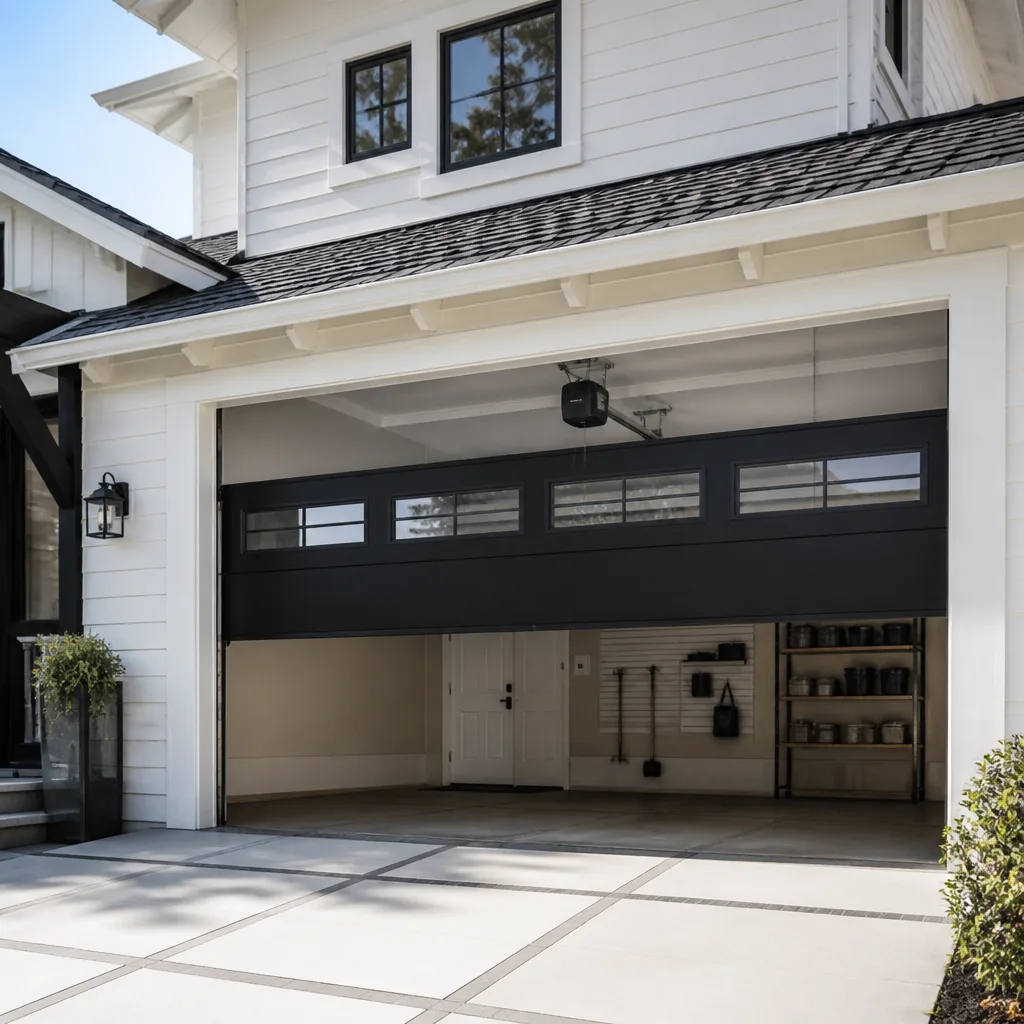
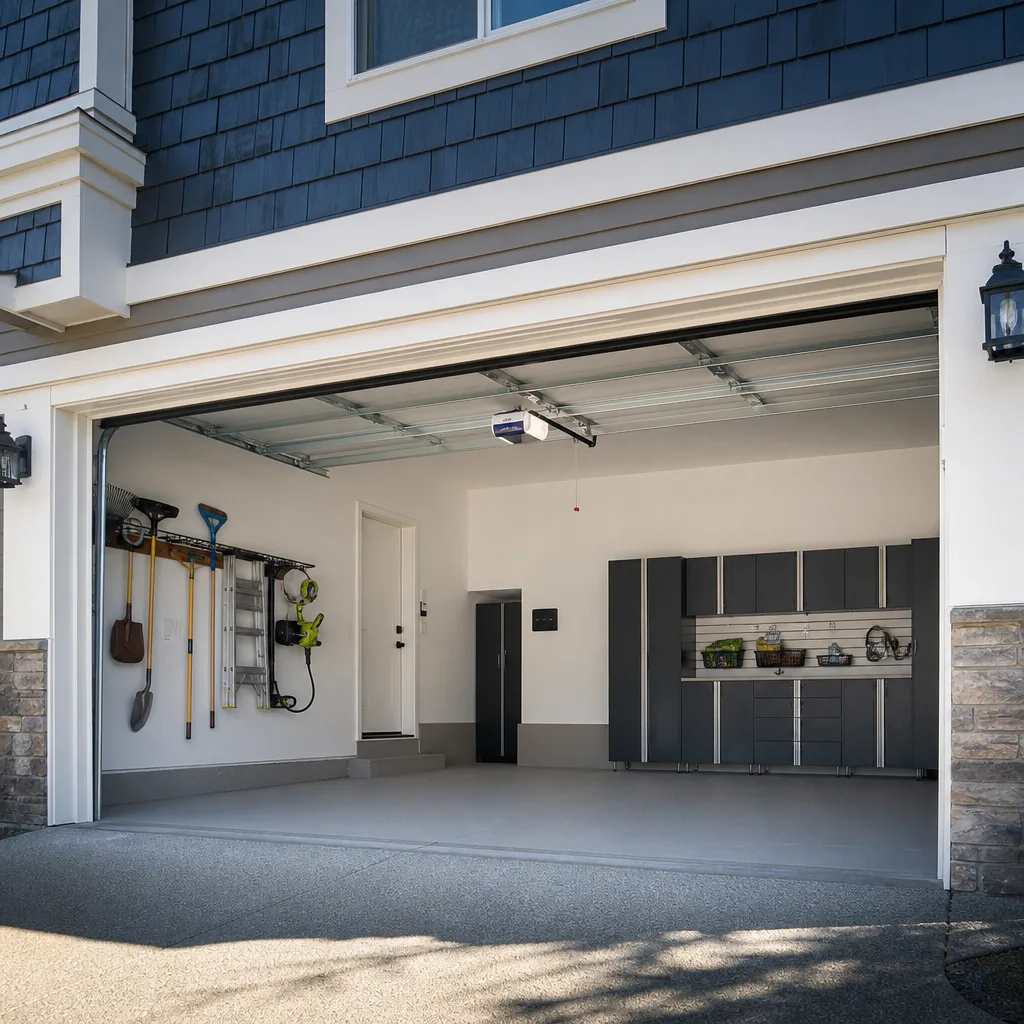
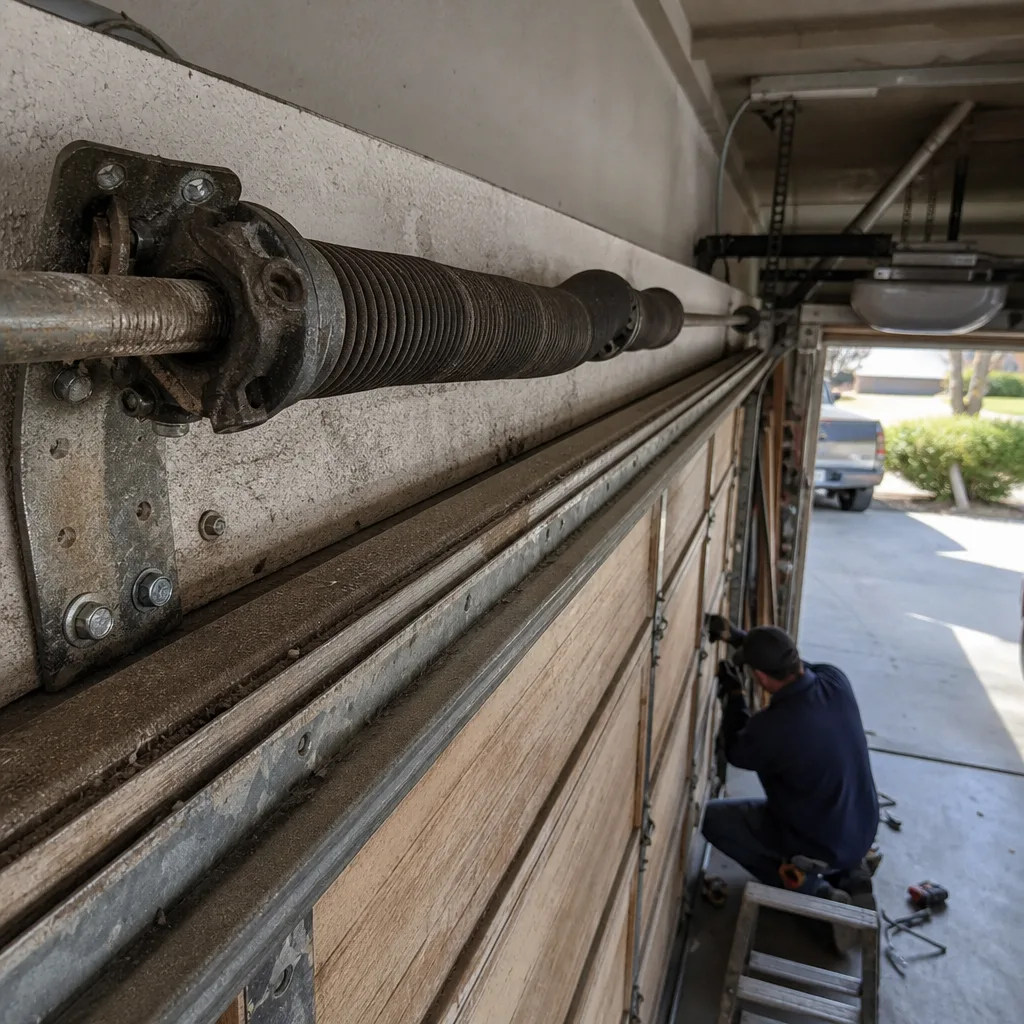 Before
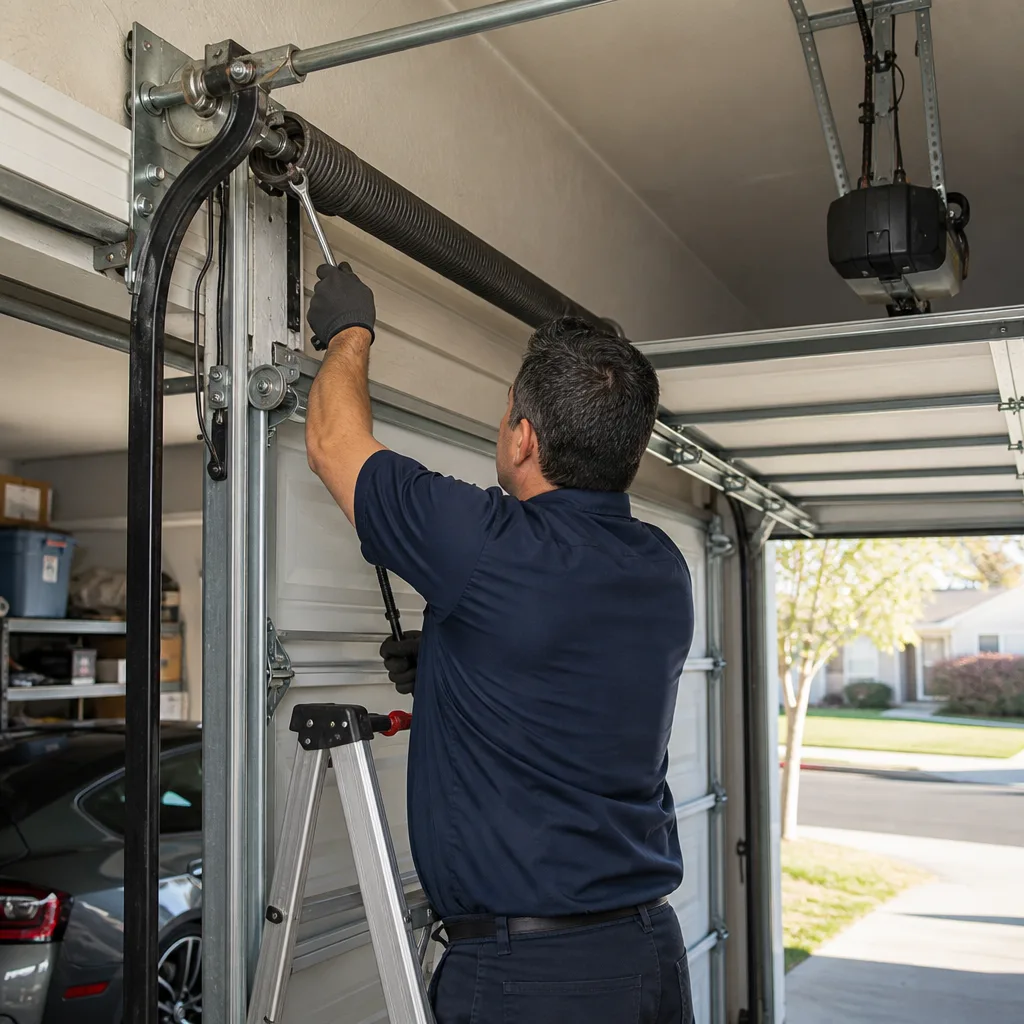 After
After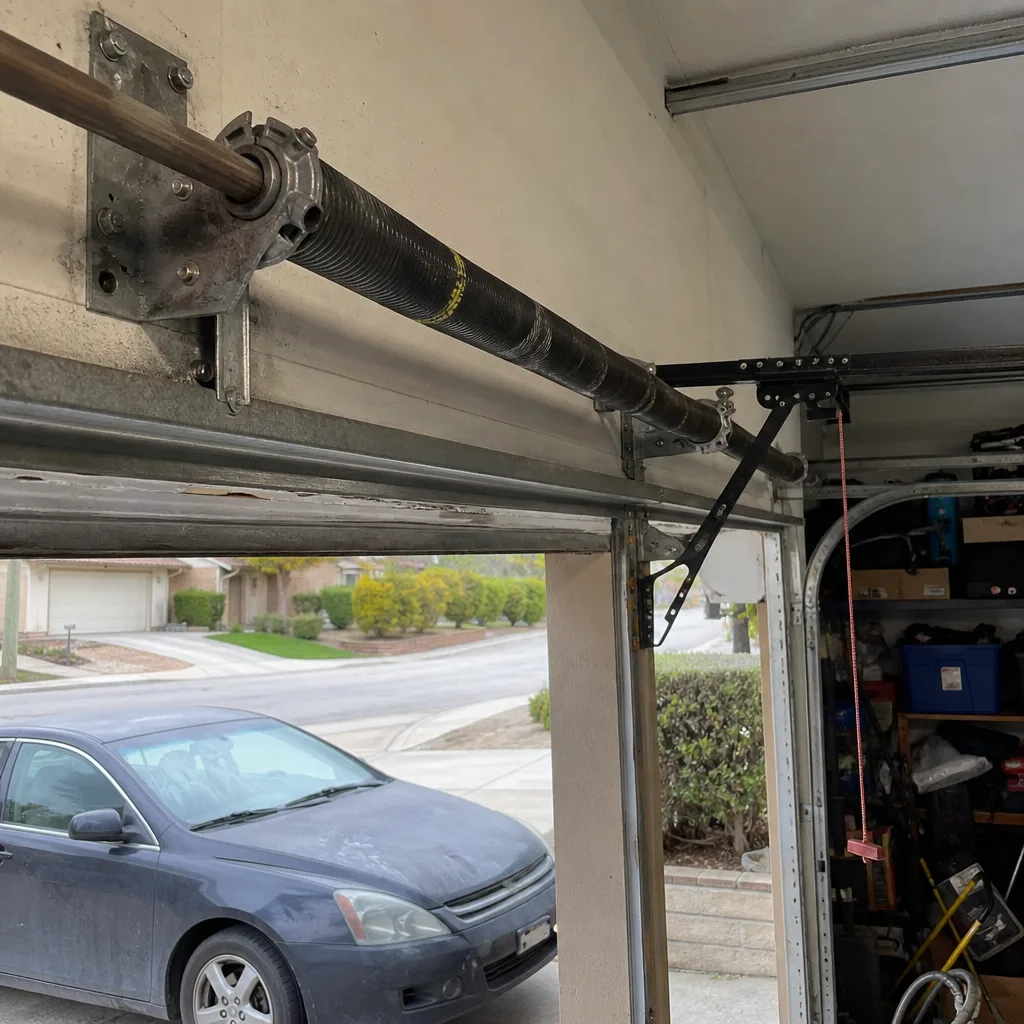 Before
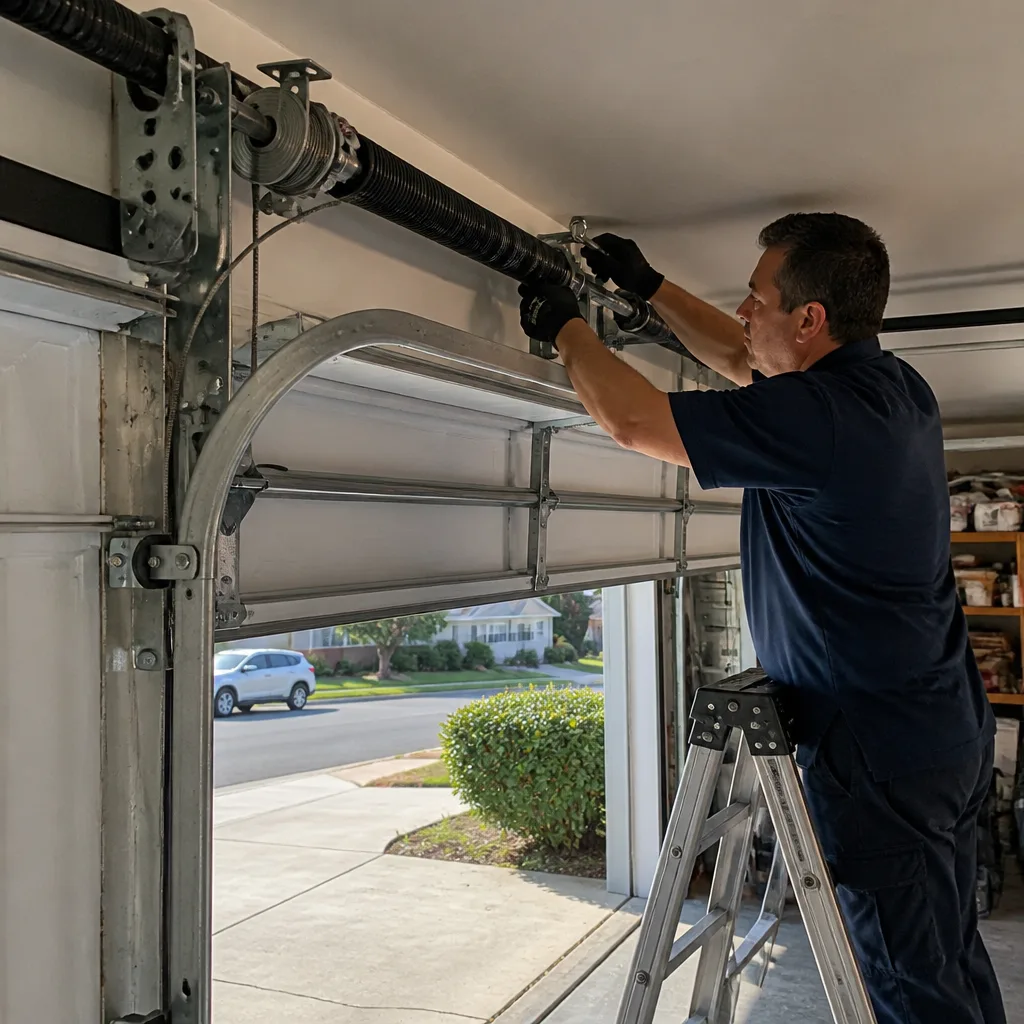 After
After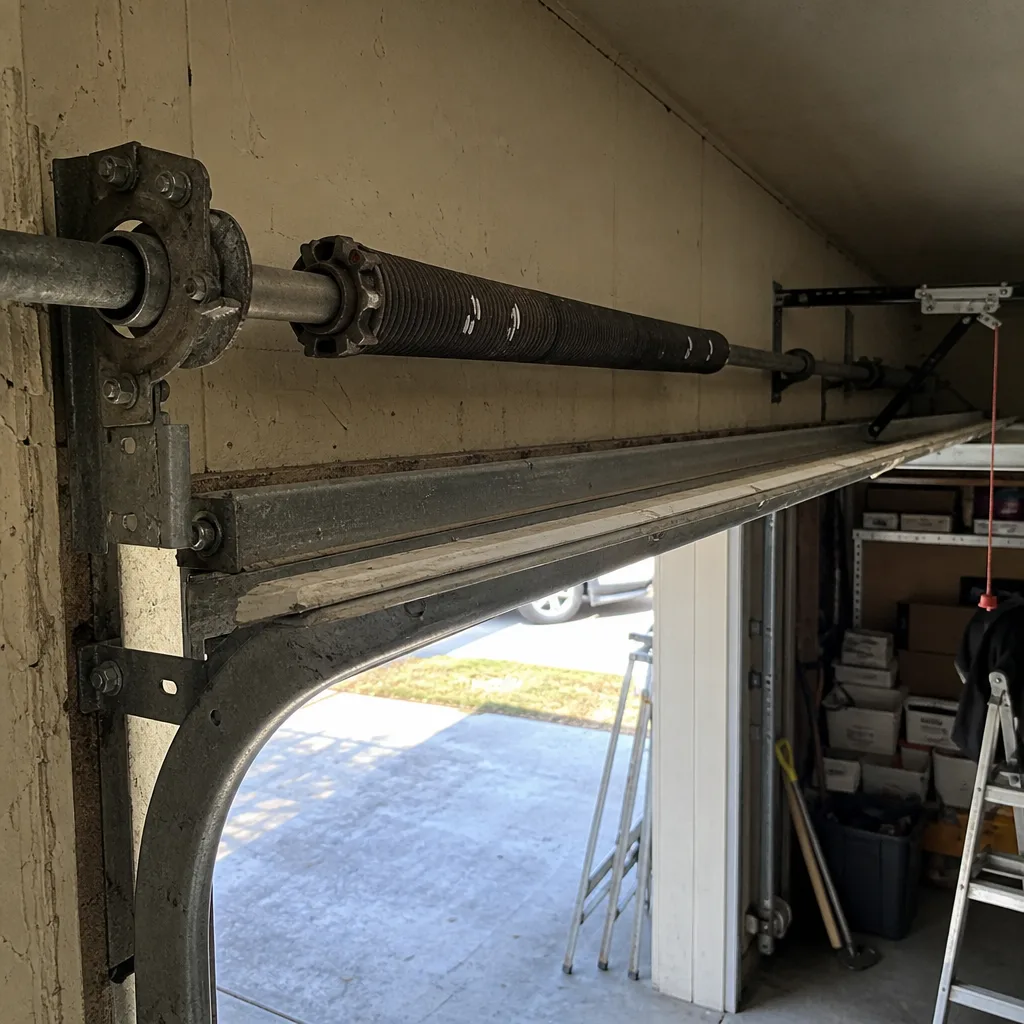 Before
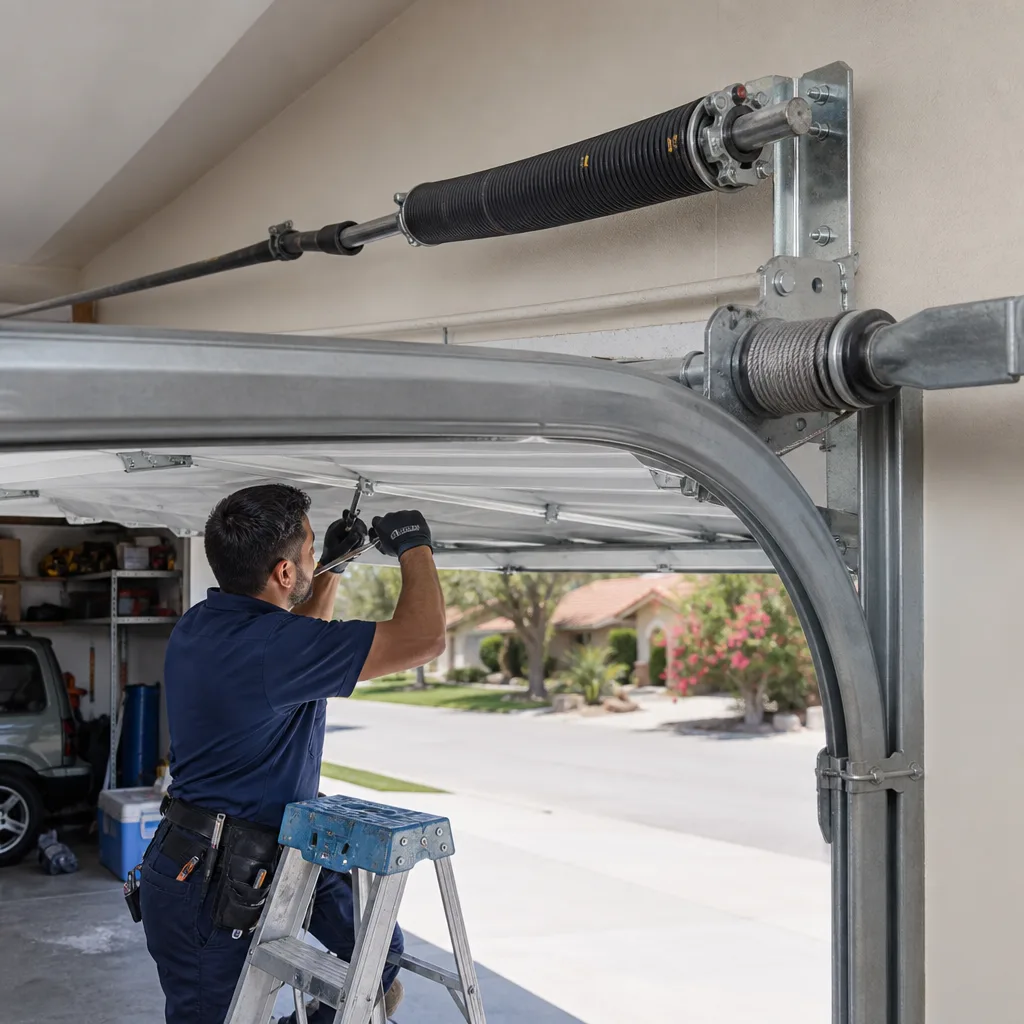 After
AfterGenie Weather Seal Replacement: The Simi Valley Owner’s Guide
If you’re looking for a Genie weather seal replacement in Simi Valley, here’s the short answer: we stock Genie-compatible bottom seals on our service trucks, and the installed price typically runs between $110 and $220 depending on your door width and whether the retainer channel needs replacing too. Most jobs get done the same visit, and we’ll show you the failed seal in a photo before we quote a dollar figure. You usually discover this part has failed the first rainy season after it gives out: water starts pooling near the back wall of the garage, leaves and dust blow in under the door, and the seal looks flattened, cracked, or torn where it meets the concrete.
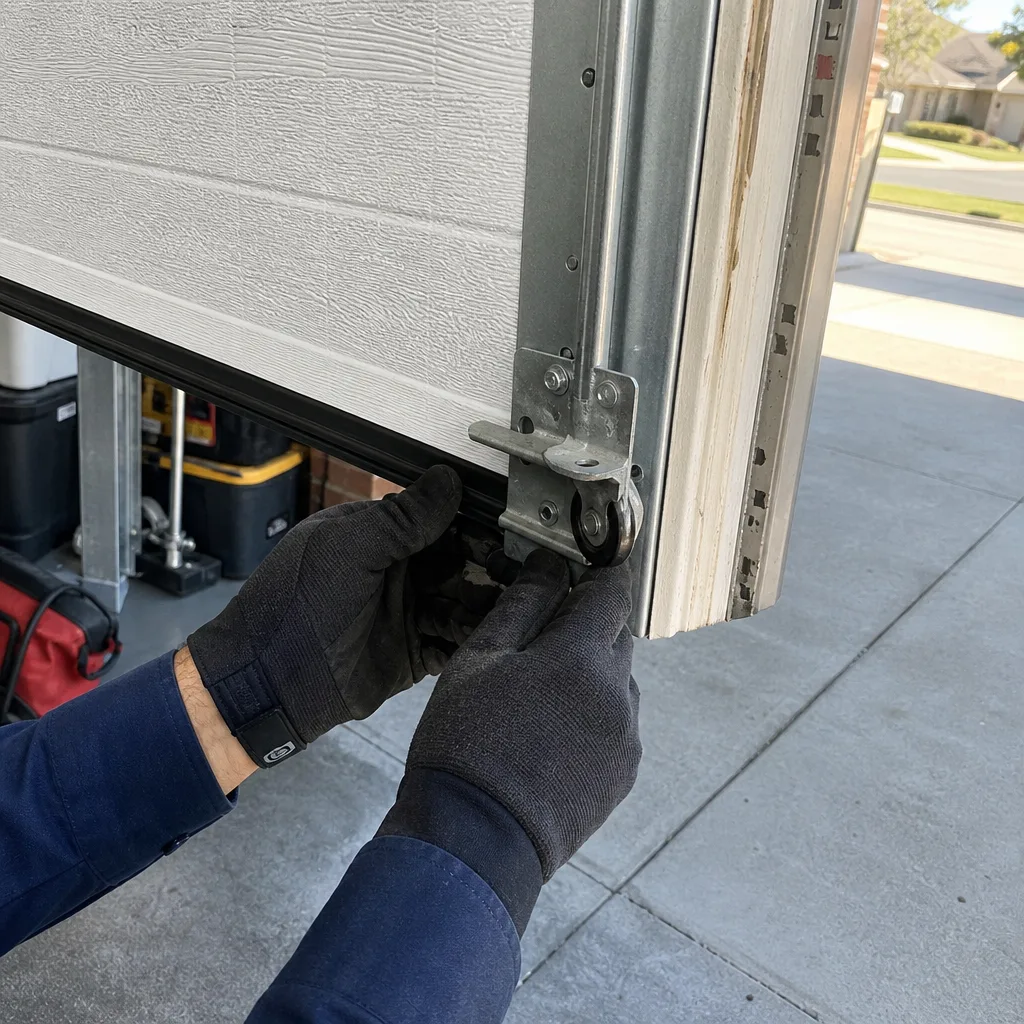
That seal, properly called an astragal or bottom weather strip, takes more abuse than any other part on a Genie opener system’s door. It compresses every time the door closes, sits in water when Simi Valley gets its winter rains, and bakes through summers where the concrete slab can hit 130 degrees. When it fails, it fails visibly, and the fix is straightforward. But matching the right seal to your specific door matters more than people expect.
Which Genie Models This Applies To
Let’s clear up a common misconception first: Genie makes garage door openers, not the doors themselves. The weather seal lives on the door, and the Genie name on your opener doesn’t dictate which seal you need. What matters is the door’s make, its width, and whether the bottom rail uses a T-style channel, a bead-style track, or a flat screw-on retainer. Doors from Clopay, Amarr, and Wayne Dalton each have their own bottom seal profiles, and a seal that’s close but not exact will pull out of the channel within a few months.
So when someone in Simi Valley searches for “Genie weather seal replacement,” what they usually mean is one of two things. Either they have a Genie-branded door from a home built in the 2000s, which most commonly uses a T-channel bottom seal in 4-inch or 3-inch widths, or they have a standard door with a Genie opener and they just call everything “Genie.” Both are valid. We figure out which one you have by checking the bottom rail profile and measuring the door width before anything gets ordered or quoted. We carry T-channel, bead-type, and universal flat seals in common widths, plus the aluminum retainer channel that often corrodes out where the sprinklers hit it. We also stock parts for LiftMaster and Chamberlain doors if that’s what’s actually on the rail.
Signs Your Genie Weather Seal Replacement Is Failing
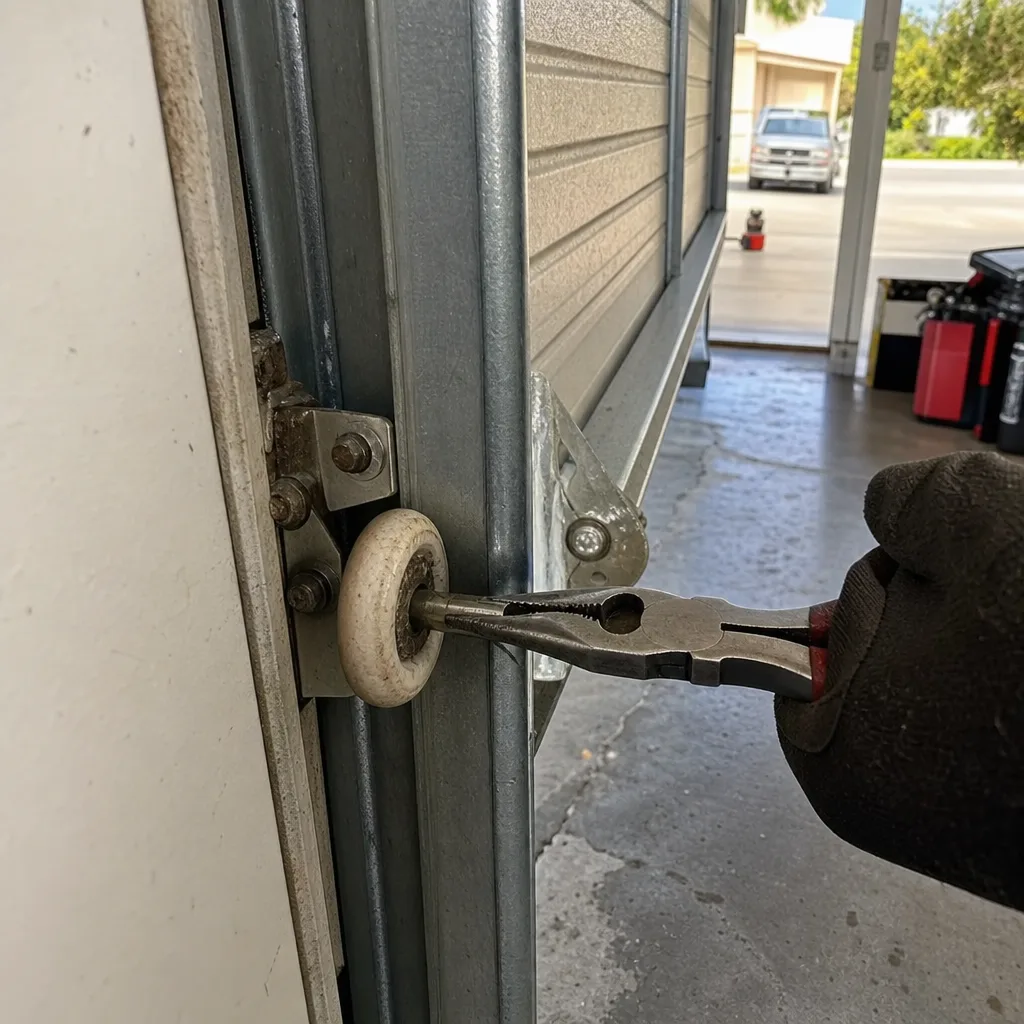
- Water intrusion after rain. This is the most common call we get in Simi Valley between December and March. The seal has compressed over time or split at a corner, and runoff from a sloped driveway finds the gap. What started as a hairline crack becomes a channel for water.
- Visible daylight under the door. If you can see light under the closed door from inside the garage, the seal isn’t making contact with the slab. Sometimes the slab has settled unevenly and the seal is fine on one side and useless on the other.
- Cracks, splits, or flattened sections. Rubber and vinyl seals lose their shape after about 5 to 8 years in Southern California heat. You’ll see the material start to look like dry-rotted tire rubber, especially on west-facing doors in Wood Ranch and the newer developments off Madera Road.
- Leaves, dust, and pests getting in. A small gap under an 8-foot door is an open invitation for every piece of windblown debris in the neighborhood. If you’re sweeping out more than usual, the seal has stopped doing its job.
- Drafts or cold air in the garage. Less of an issue in Simi Valley than somewhere like Minnesota, but a failed seal still lets the overnight chill in, and if your water heater lives in the garage, you’re paying to heat air that’s leaking out through the gap.
BeforeAfterReplacement Cost & What’s Included
A Genie weather seal replacement in Simi Valley runs $110 to $220 installed. That range covers the seal itself, which is priced per foot depending on the profile your door needs, plus labor to remove the old seal, clean out the retainer channel, and feed in the new material. If the aluminum retainer at the bottom of the door is corroded or bent, that adds to the parts cost and pushes you toward the higher end of the range. The good news: this is one of the least expensive door repairs we do, and it’s also one that gets skipped too long by too many owners.
What you get at that price is a flat, written quote before we begin, showing parts and labor as separate line items, not a round number we made up in the driveway. Clause 1 of The Haven Standard means you see the number before any work starts and it doesn’t change when we leave. The new seal carries a 365-Day Done Right Promise. If it pulls out, tears, or fails within a year, we come back and replace it. No invoice goes out without a photo record showing the old seal we pulled off and the new one seated in the channel.
DIY or Call Us?
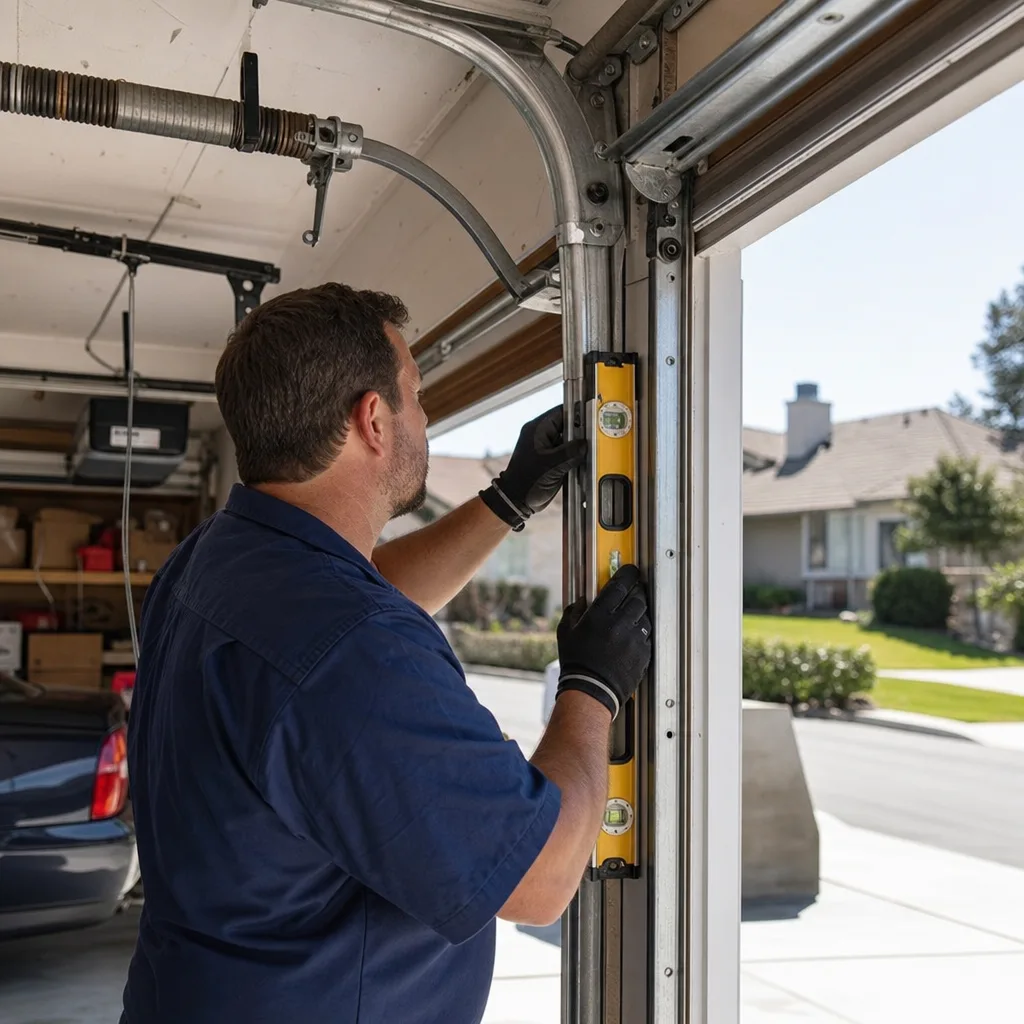
Replacing a bottom weather seal is one of the safer garage door jobs, and plenty of homeowners do it themselves. If you have a flat screw-on seal, you can handle it with a drill and a utility knife. The problems start with T-channel and bead-type seals, where the rubber has to be lubricated and worked through the channel without tearing, and where old seals break off inside the channel and leave chunks that have to be fished out. We see DIY jobs where the seal went in twisted, rolled, or only partway and the door now leaves a gap that wasn’t there before.
The part we’d honestly rather you not touch is anything related to the cables or springs on the door itself. Those are high-tension components, and the door doesn’t care that you were only planning to slide a rubber strip into the bottom rail. If the seal job involves lifting the door or touching those brackets, call us at (661) 964-4530 instead. The seal itself is low-stakes; the door’s weight isn’t.
FAQs
Realistically, 5 to 8 years. Simi Valley’s heat and dry air degrade vinyl and rubber faster than coastal California, and a west-facing door on a sloped driveway will wear its seal faster than one shaded by an overhang. You’ll know it’s time when the seal no longer springs back after you press on it with a thumbnail. If yours is over 6 years old and you’re seeing gaps or water, it’s likely done. Call (661) 964-4530 and we’ll confirm it with a photo before quoting.
No, not in any meaningful way. There’s no adhesive that will hold up to the flexing, compression, and UV exposure these seals go through. Patches pull loose within weeks. A new seal is the only repair, and it’s inexpensive enough that patching doesn’t make financial sense. We’ll quote you the exact replacement cost before touching anything.
Thirty to forty-five minutes for a simple seal swap, and we can usually do it the same day we come out. If the retainer channel needs replacement or there’s corroded hardware to drill out, add another half hour. Name the part. Quote the range. Then pick up the wrench.
Yes. We carry T-channel seals in standard widths, bead-type seals, and universal flat seals, along with replacement aluminum retainers. If you have an unusual door, we’ll measure, order, and return with the right part, usually within a few days. The price is always quoted and agreed before any work starts, per Clause 1 of The Haven Standard. Call (661) 964-4530 for a free estimate, and if you’ve got a written quote from another company, bring it in for a Free Second Opinion.
Written by Marcus Deller, Owner, Servo Garage Doors Simi Valley at Servo Garage Doors Simi Valley, serving Simi Valley and nearby areas.