
Full 25-point door and opener safety check with every visit - springs, cables, rollers, tracks, and your LiftMaster or Chamberlain opener included
You get a price before we start. It does not change when the truck arrives.
 Before
 After
After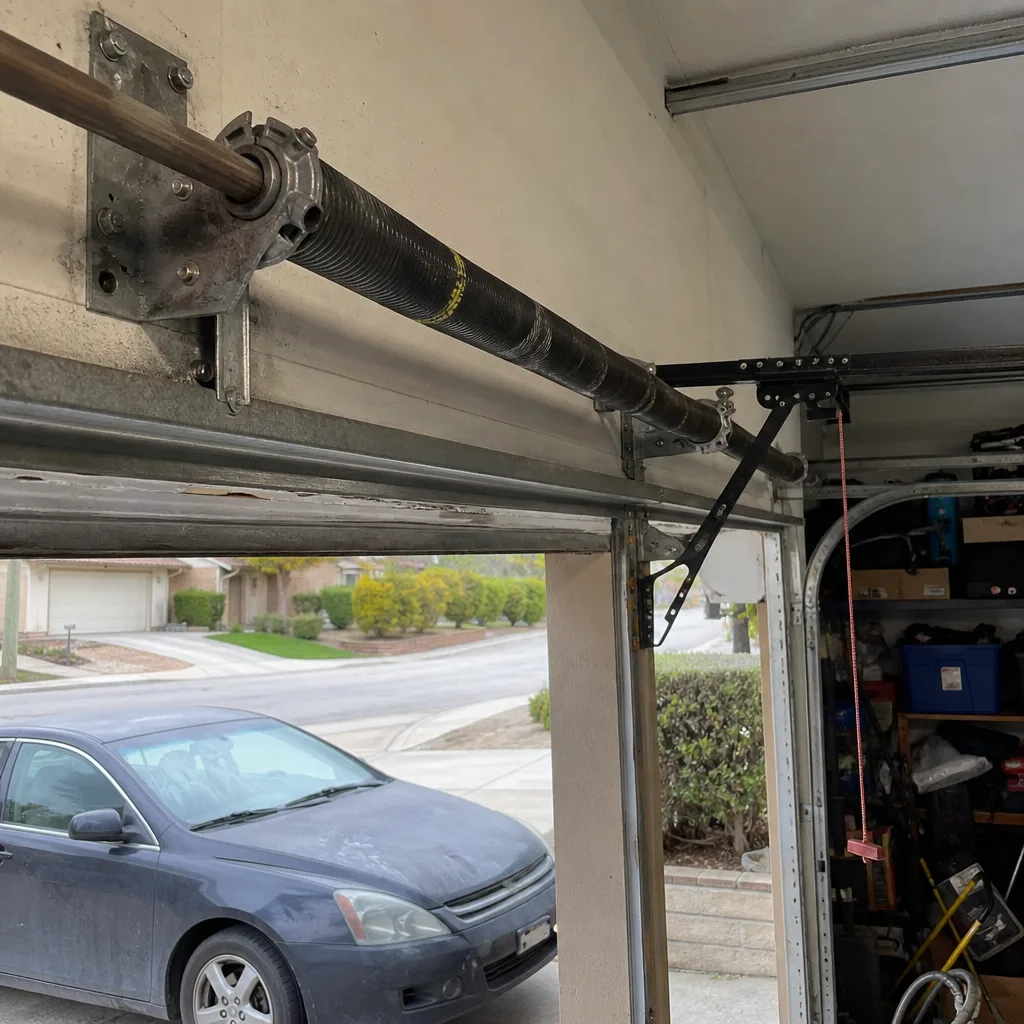 Before
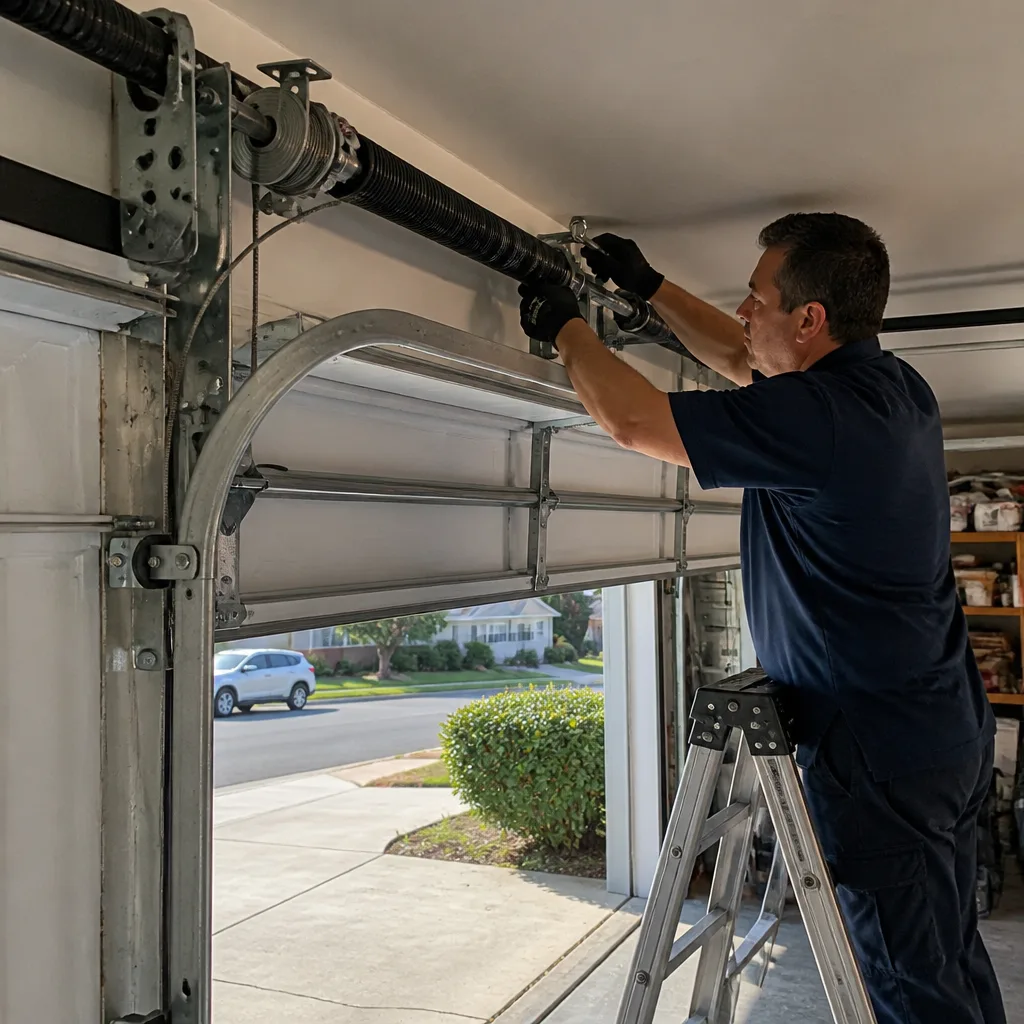 After
After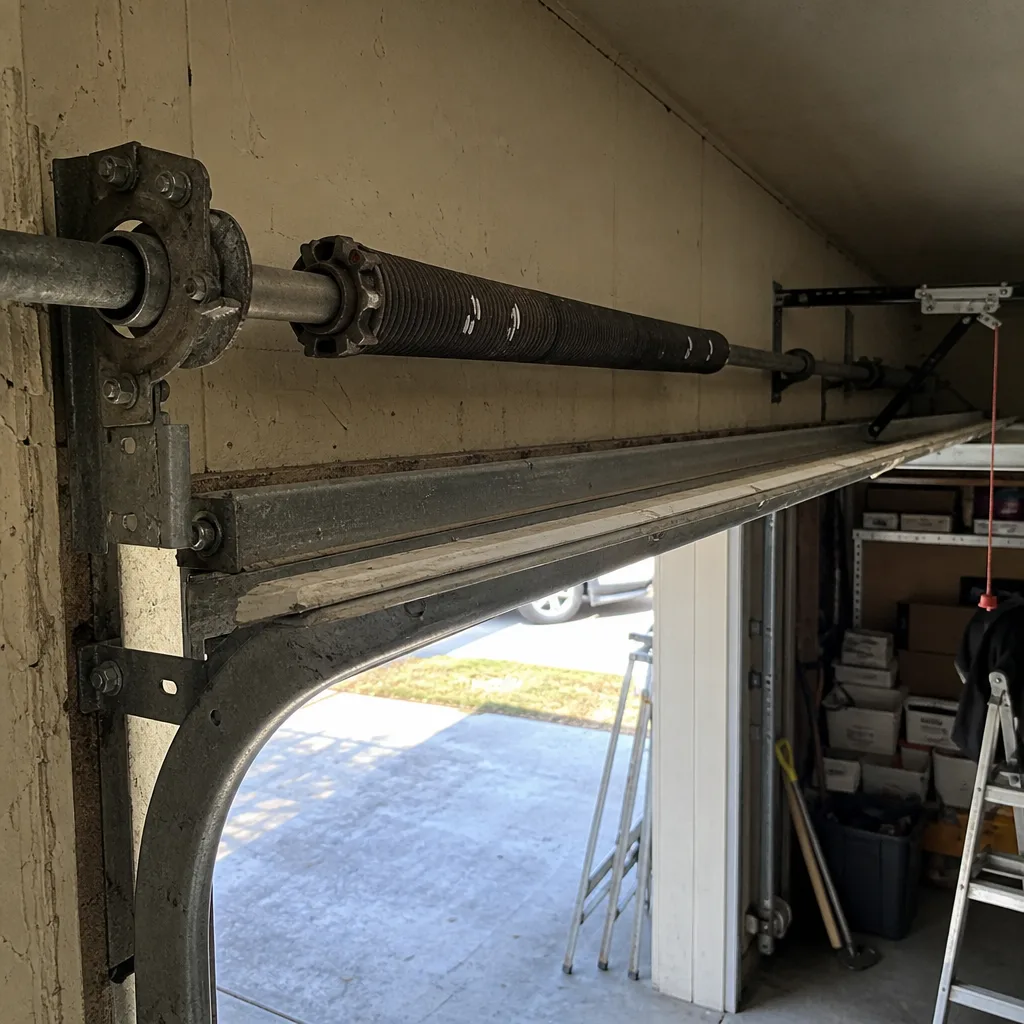 Before
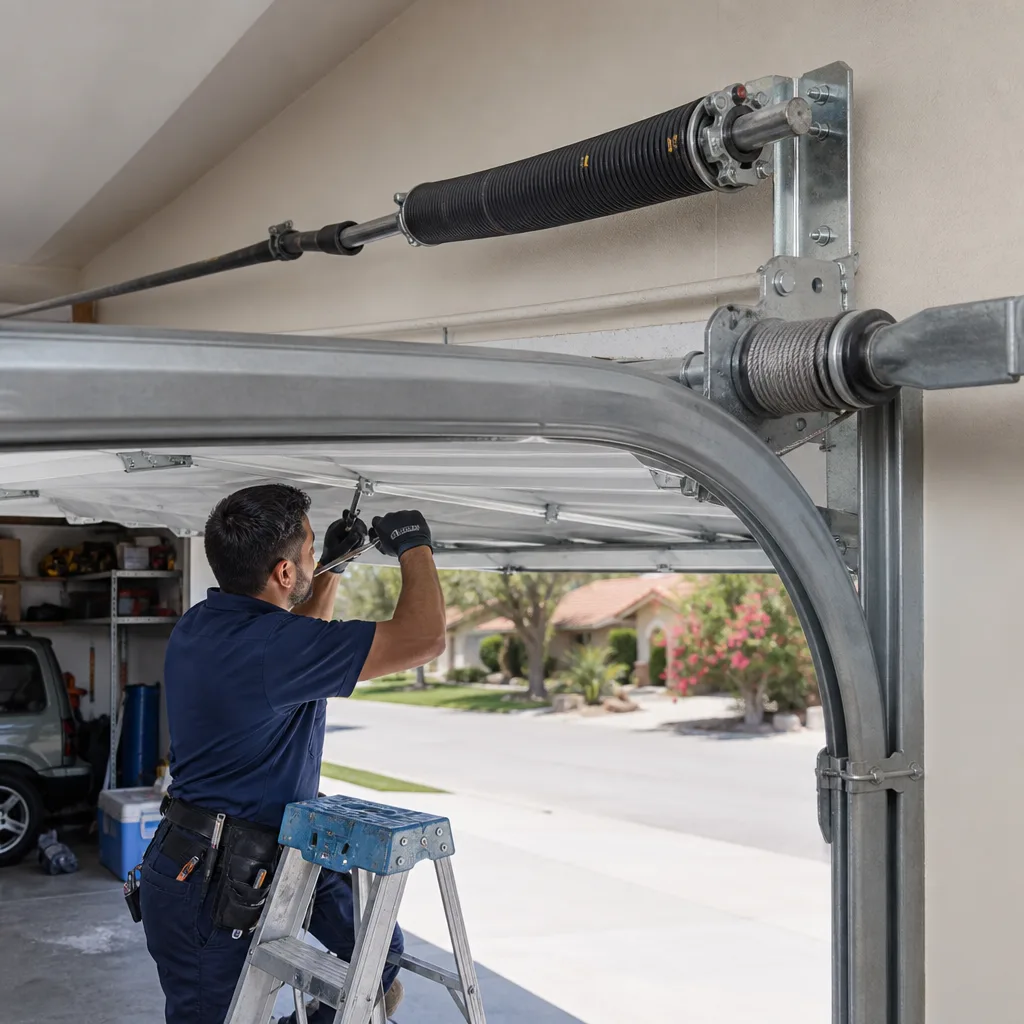 After
AfterLiftMaster Roller Replacement: The Simi Valley Owner’s Guide
Most LiftMaster roller replacements in Simi Valley run between $110 and $220 installed, including the parts and labor. We stock LiftMaster-compatible rollers on the truck, so this is usually a same-visit fix, not a two-trip job. The way most owners discover a failed roller is unmistakable: the door suddenly sounds like it’s dragging a bag of rocks up the track, and one side of the door sits visibly lower than the other when it’s opening.

You’ll usually see it before you hear it explained. A wheel that’s cracked, missing its nylon sleeve, or wobbling on its stem is done. The metal stem inside keeps the wheel on track, but once the nylon outer ring wears through or splits, the metal core rides directly against the steel track. That’s the grinding sound. Left alone, it chews up the track and puts uneven load on the operator.
Which LiftMaster Models This Applies To
LiftMaster doesn’t manufacture garage doors. They make the operators that move them. So the roller replacement we’re talking about isn’t tied to a LiftMaster model number the way a logic board or a wall console would be. The roller fits the door itself, and the LiftMaster opener cares about whether the door travels smoothly, not which brand of wheel carries it.
That said, if your LiftMaster opener is a chain drive, belt drive, or wall mount from the 2000s onward – think the 8500 series, the WLED, the 87504, or the older 3800 – the rollers we install are the same nylon rollers we’d put on a door paired with any other opener. The compatibility question is about the bracket and stem, not the motor. Most residential LiftMaster installations in Simi Valley use standard 2-inch rollers with a 7/16-inch stem, but there are exceptions. Older wood doors from the 1970s and 1980s around the ranch-style homes off Tapo Canyon Road sometimes have 3-inch rollers or a shorter stem. That’s why we measure before we quote.
As for OEM versus aftermarket: LiftMaster doesn’t brand garage door rollers, so there’s no LiftMaster part to buy here. What matters is the roller spec. We use a 6200ZZ sealed ball bearing inside a nylon wheel – 13-ball bearings, to be specific – because it runs quieter and lasts longer than the unsealed or 10-ball versions you’ll find at big-box hardware stores. The nylon is reinforced with glass fiber, which matters in Simi Valley’s summer heat. Cheap nylon gets soft in a hot garage and flattens under load, and that’s how a two-year-old roller ends up with a flat spot that thumps every rotation.
Signs Your LiftMaster Roller Replacement Is Failing
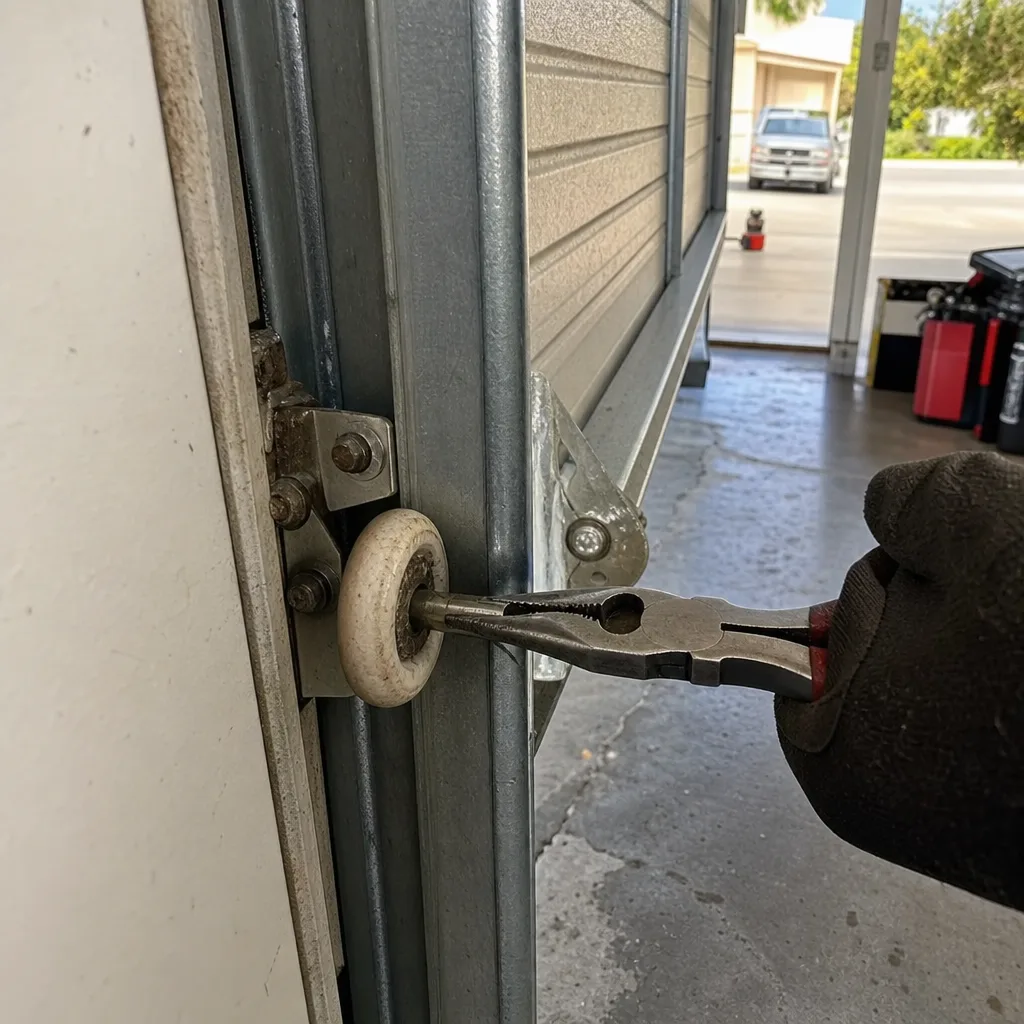
- Grinding or metal-on-metal sound during operation. The nylon sleeve has worn through or cracked, and the steel core is riding directly on the track. This is the most common call we get, and the sound alone tells us which roller has failed before the door is even in view.
- Door shudders or jerks as it travels. A roller with a seized bearing won’t spin, so it slides instead of rolling. That drag creates resistance the operator has to fight, and you feel it as a stutter in the door’s movement.
- Visible wobble or play in the wheel. If you can grab a roller and wiggle it side to side more than a fraction of an inch, the bearing is sloppy or the stem is bent. A healthy roller sits firm and spins freely with no lateral movement.
- Uneven gaps at the top of the door when closed. When one roller fails, that corner of the door drops slightly. It’s often visible as a wider gap on one side at the header, or one bottom corner that doesn’t seal against the slab.
- Black rubber debris or scoring on the vertical track. As the nylon degrades, it sheds fragments that collect on the track. Scoring or shiny wear lines on the inside of the track mean the steel core has been riding there for a while.
BeforeAfterReplacement Cost & What’s Included
Out the door in Simi Valley, expect $110 to $220 for a complete LiftMaster-compatible roller replacement. That’s parts, labor, and disposal of the old hardware. The range depends on how many rollers we’re replacing, not the door’s brand. If one roller failed from age, the other nine to eleven on the same door aren’t far behind. We’ll quote the per-roller price and let you decide whether to replace just the failed one or do the whole set while we’re already there. Most owners replace all of them, because the labor doesn’t change and the price stays at the bottom of that range per wheel.
A few things that move the number: the door’s weight and panel thickness, whether the hinges are in good shape, and whether the track has any scoring from the failed roller. If the track is gouged, we’ll tell you before we quote the roller work. That’s a separate line item, and it’s written down separately. The flat, written price covers the scope of what we agree to. No additions without your sign-off.
Every roller replacement we do carries our 365-Day Done Right Promise. If a roller fails within a year, we replace it at no charge. That’s the service warranty, and it’s documented in the written record you receive when the job closes.
DIY or Call Us?
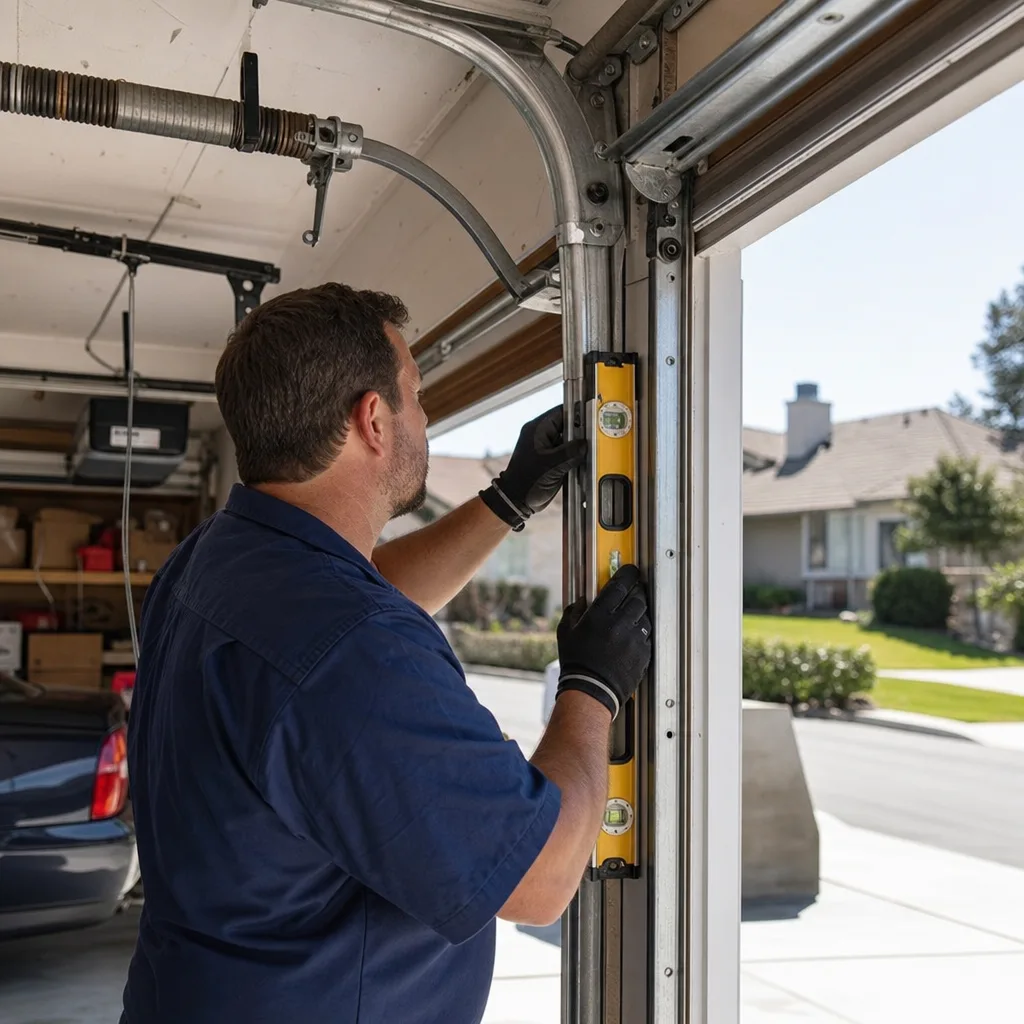
Roller replacement sits in a strange middle ground for DIY work. Replacing the rollers on the vertical track is generally low-risk. The top and bottom fixtures, though, carry cable tension. The bottom bracket is under spring load, and pulling that roller without unloading the tension can send a cable whipping. That’s how people lose fingers. If the failed roller is anywhere on the horizontal track or the bottom fixture, this isn’t a homeowner job. If it’s mid-height on the vertical track and you’re comfortable with basic tools, you can probably manage it. But there’s a gotcha: most of the rollers we replace aren’t the easy ones. The easy ones don’t fail first.
What we tell neighbors in Simi Valley is this: if you can identify which roller is bad just by looking and you have a clear path to it on the vertical track, it’s a reasonable Saturday project. If the door is off balance, the roller is at the bottom bracket, or you’re not sure which roller is even the problem, call us at (661) 964-4530. As Marcus Deller puts it: name the part, quote the range, then pick up the wrench. We’ll photograph the failed roller, give you a written price before anything is touched, and you’ll see the old parts before they go in the bin. Clause 4 of The Haven Standard is exactly that: the customer sees the failed part before anyone quotes a replacement.
FAQs
Most factory-installed rollers last 7 to 10 years in Simi Valley’s climate, but the heat and fine dust from the surrounding hills shorten that on doors that face direct afternoon sun. The nylon degrades faster in a hot garage, and dust works its way into unsealed bearings. If your door was installed in 2015 or later and is still on original rollers, you’re probably due.
No. A roller with a cracked wheel, a seized bearing, or a bent stem is a finished part. There’s no rebuilding a sealed bearing or re-molding a nylon wheel in the field, and any attempt to patch one just moves the failure down the line. Replacement is the repair.
A full set of 10 to 12 rollers takes about 45 to 60 minutes once the job starts. If we’re replacing a single roller and the door is balanced, it’s a 20-minute job. The written quote takes a few minutes before work begins, and the photo record is delivered before we leave.
Yes. Our service vehicles carry standard 2-inch nylon rollers with 7/16-inch stems, plus a set of 3-inch rollers for the older doors we see in Simi Valley. We don’t have to order parts and come back. We also stock Chamberlain and Genie operator parts when the problem turns out to be the opener rather than the door itself.
Written by Marcus Deller, Owner, Servo Garage Doors Simi Valley at Servo Garage Doors Simi Valley, serving Simi Valley and nearby areas.