
Last updated September 20, 2026
Full 25-point door and opener safety check with every visit - springs, cables, rollers, tracks, and your LiftMaster or Chamberlain opener included
You get a price before we start. It does not change when the truck arrives.
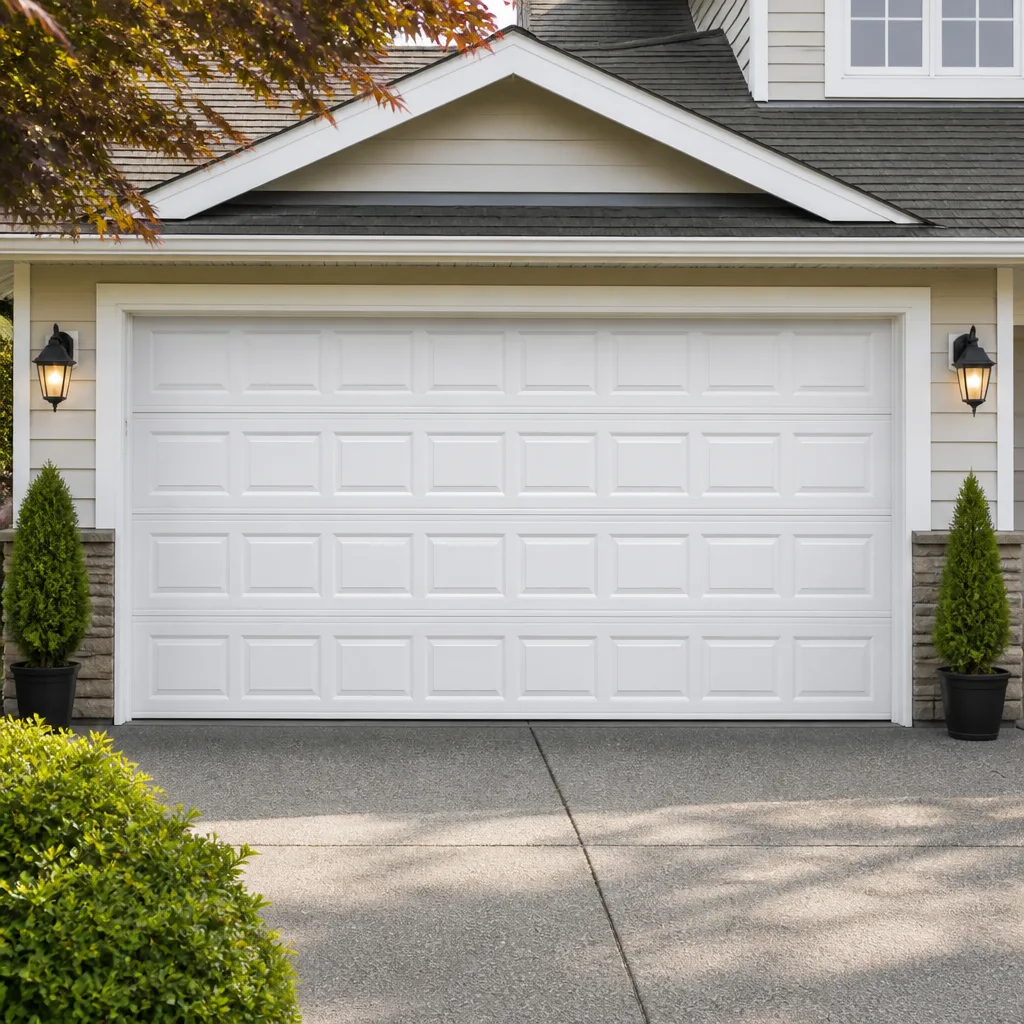
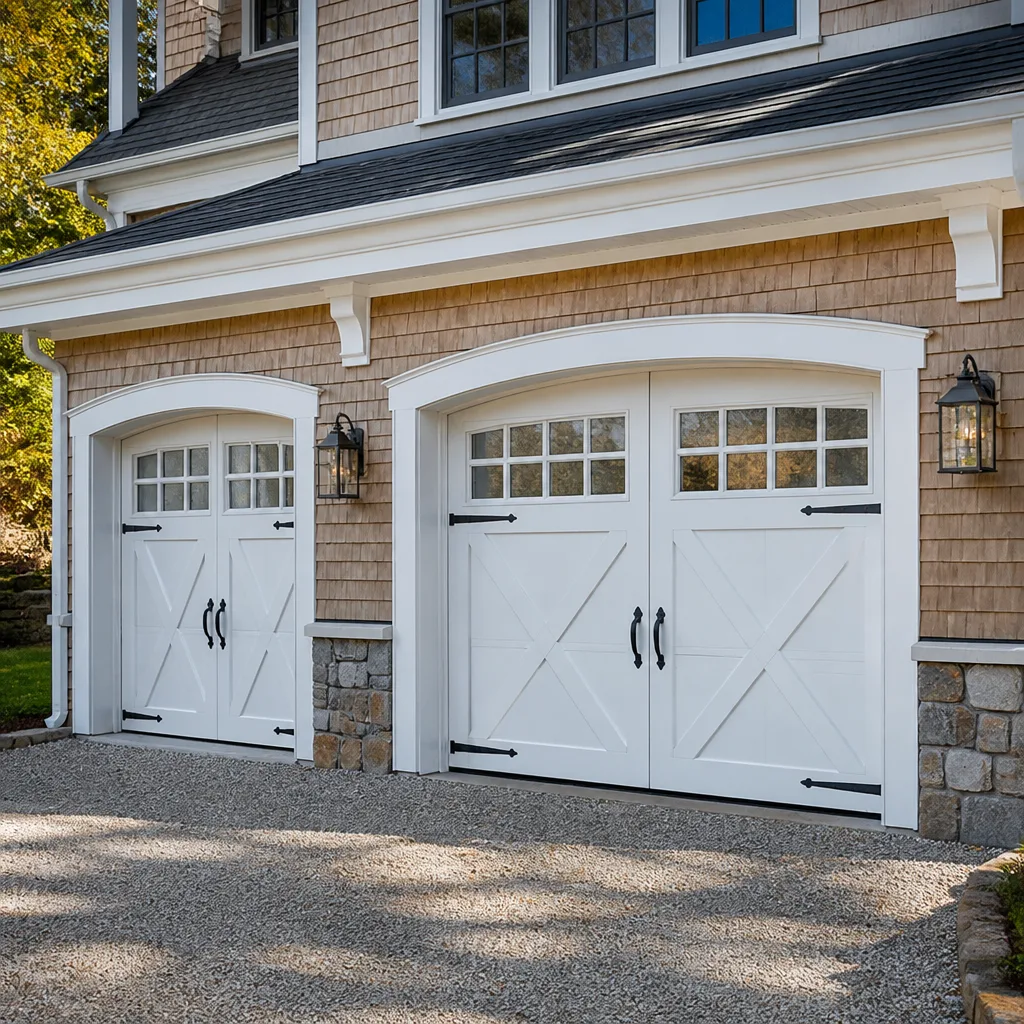
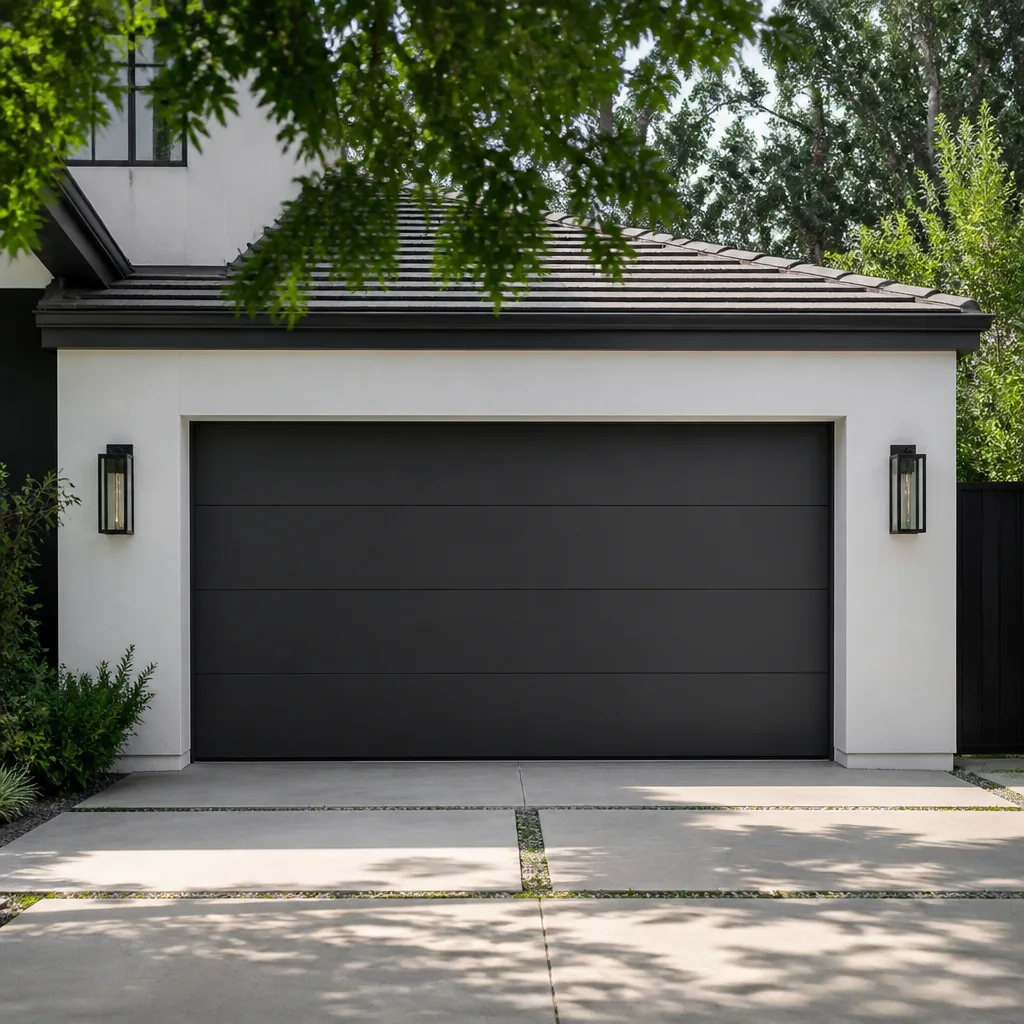
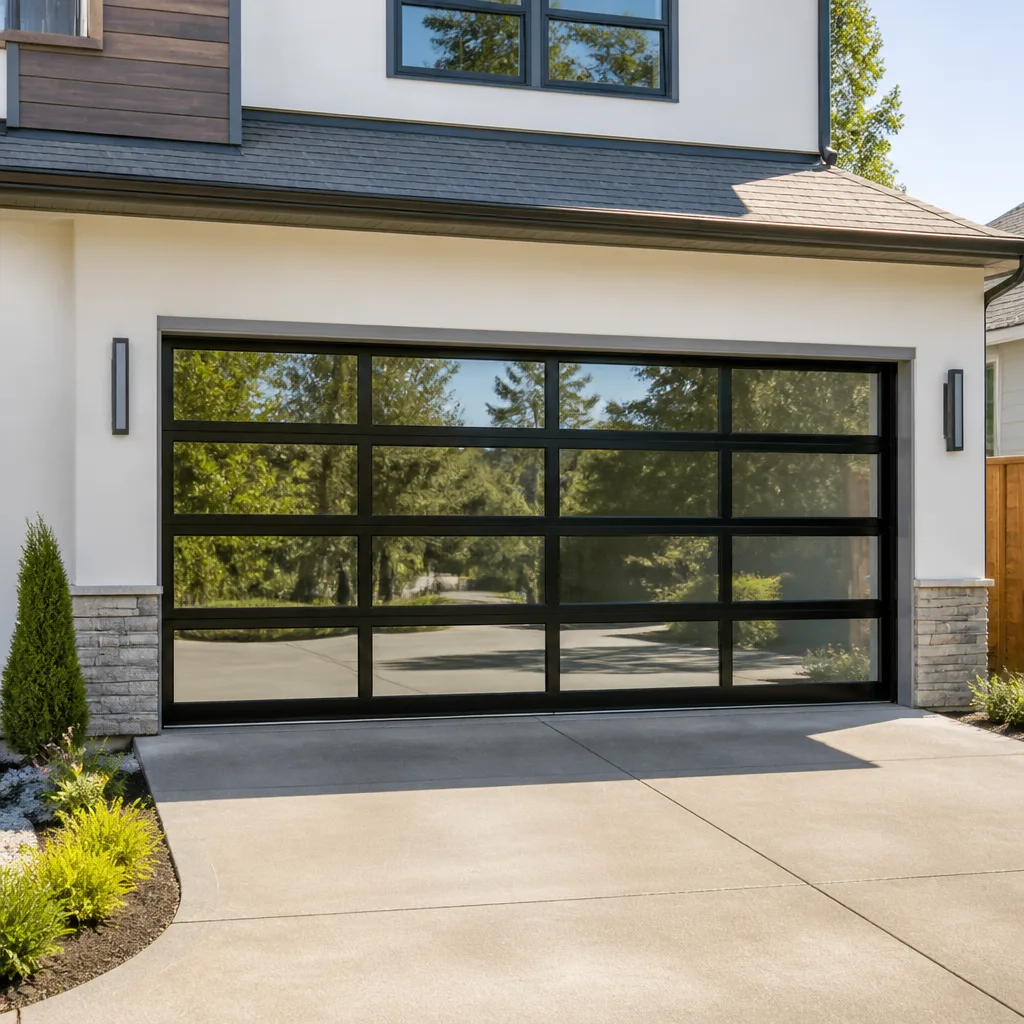
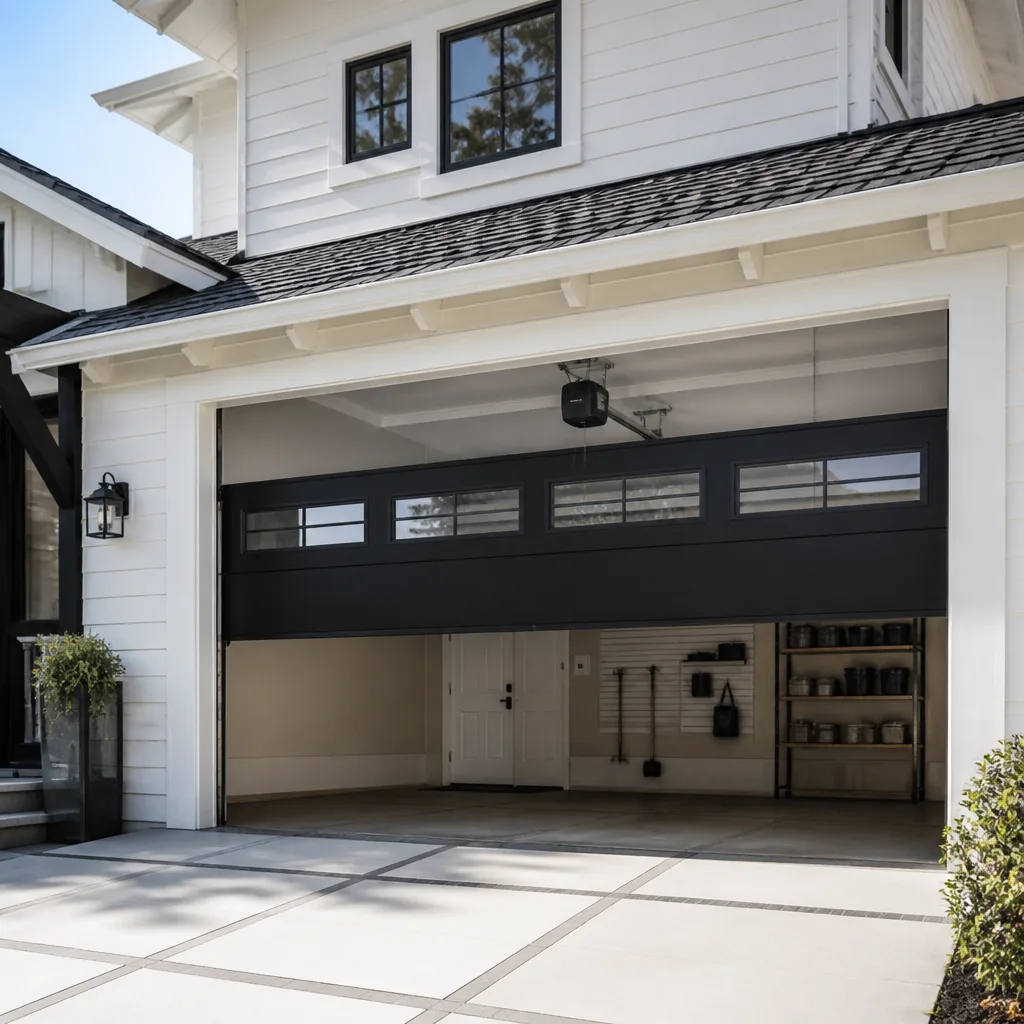
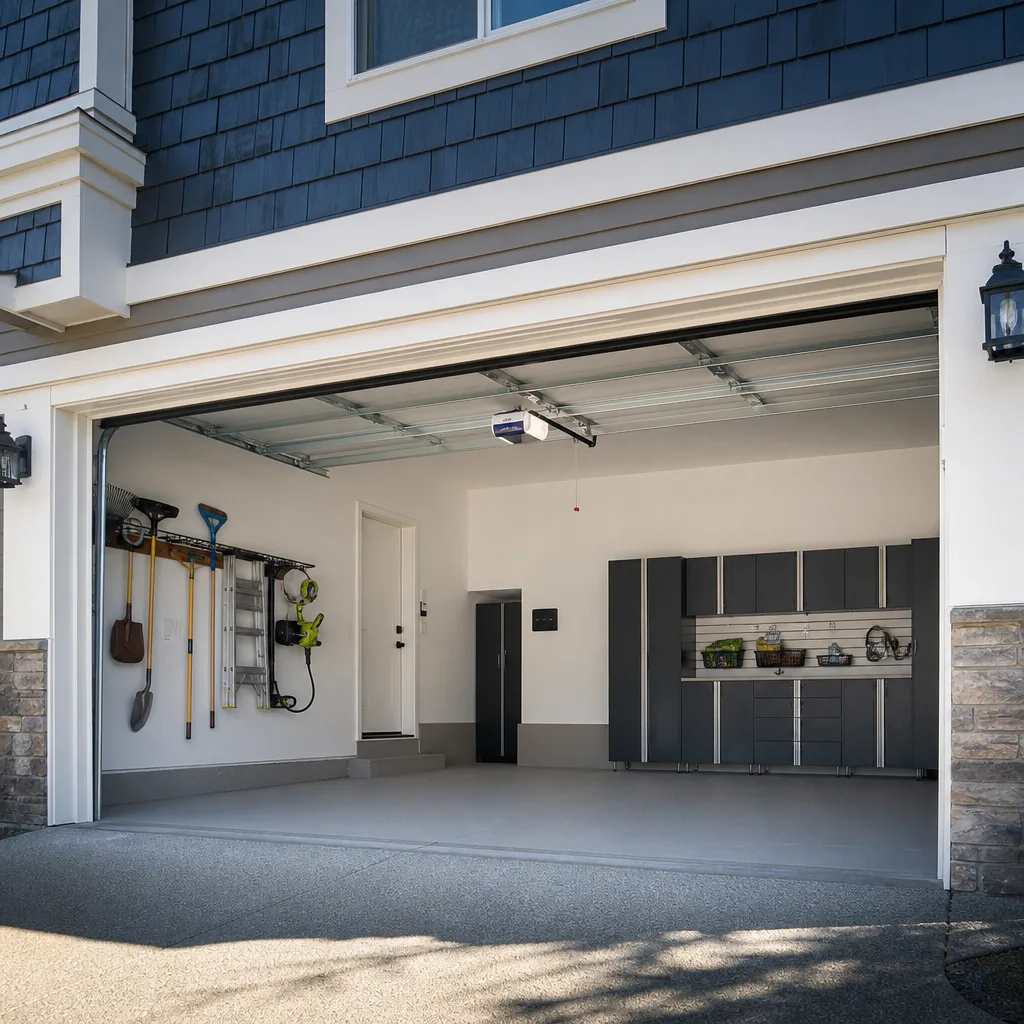
 Before
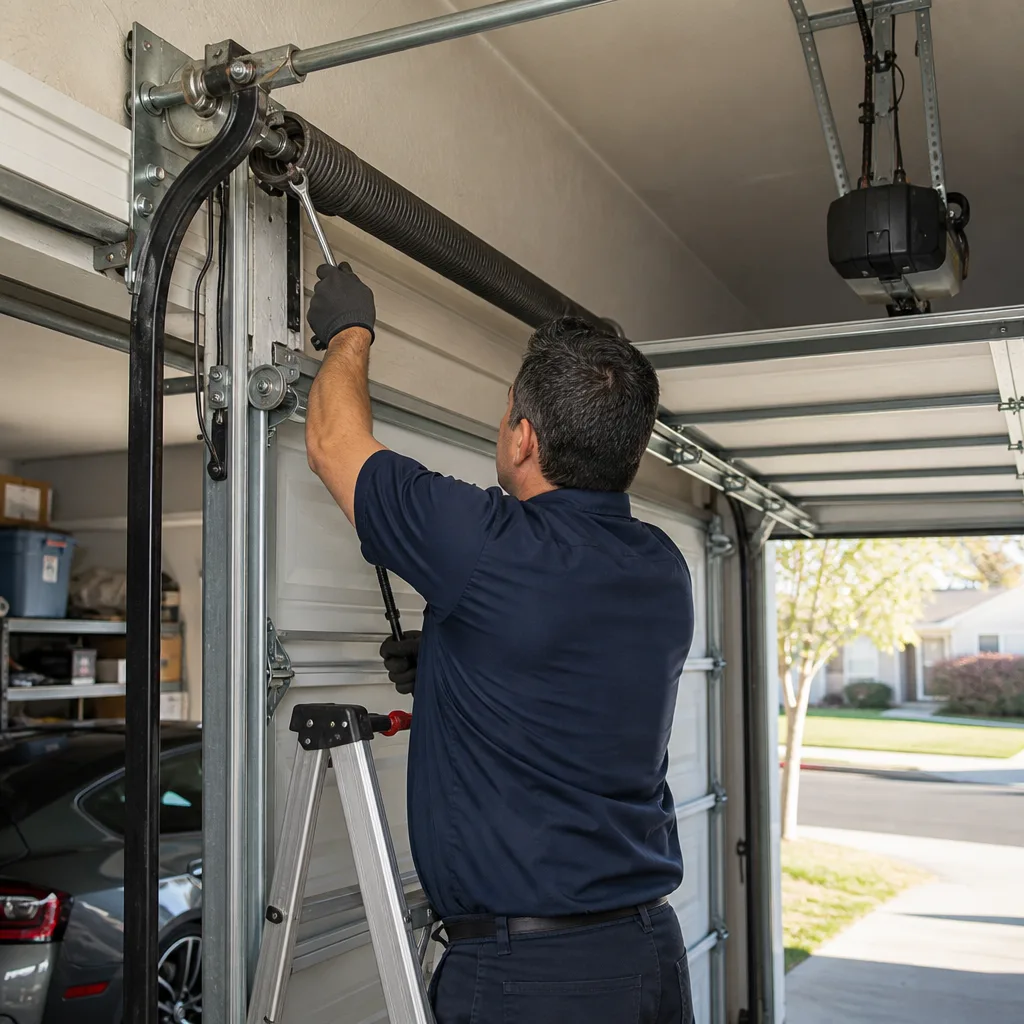 After
After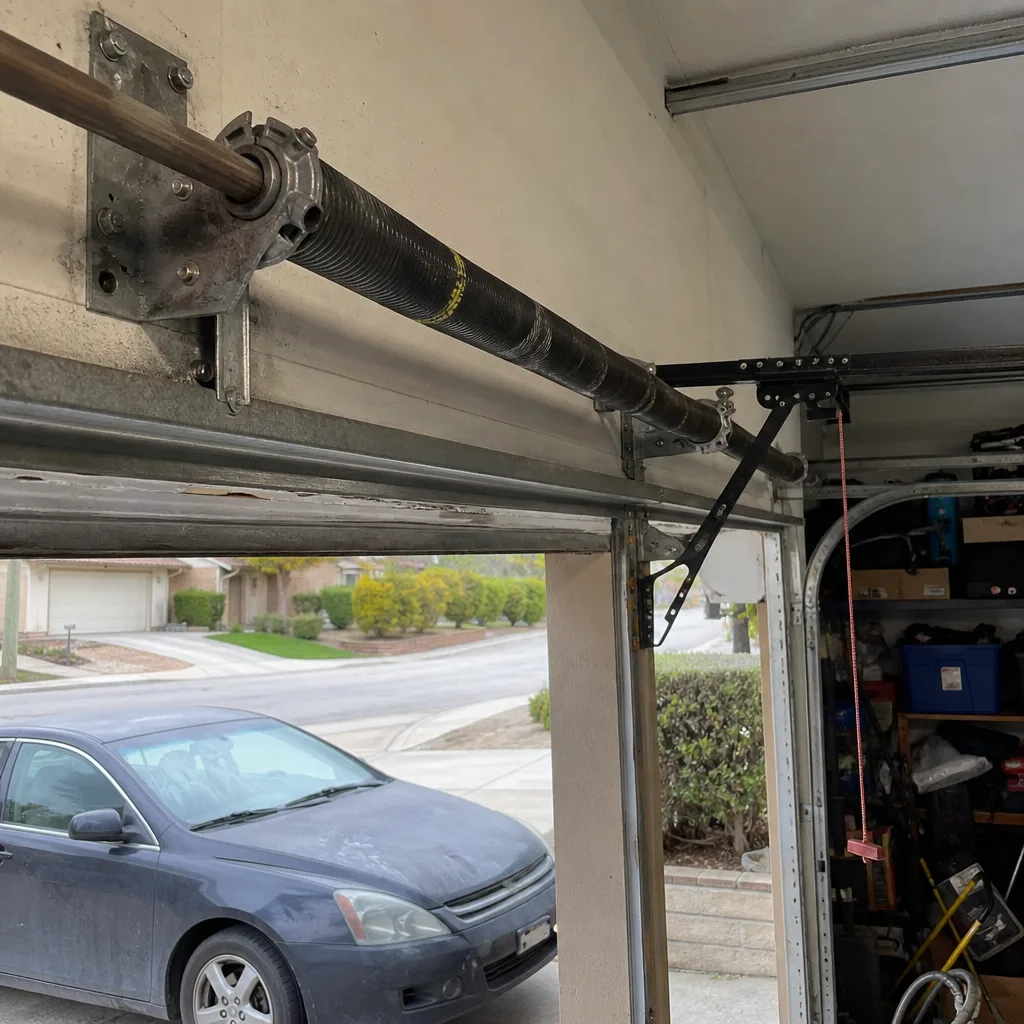 Before
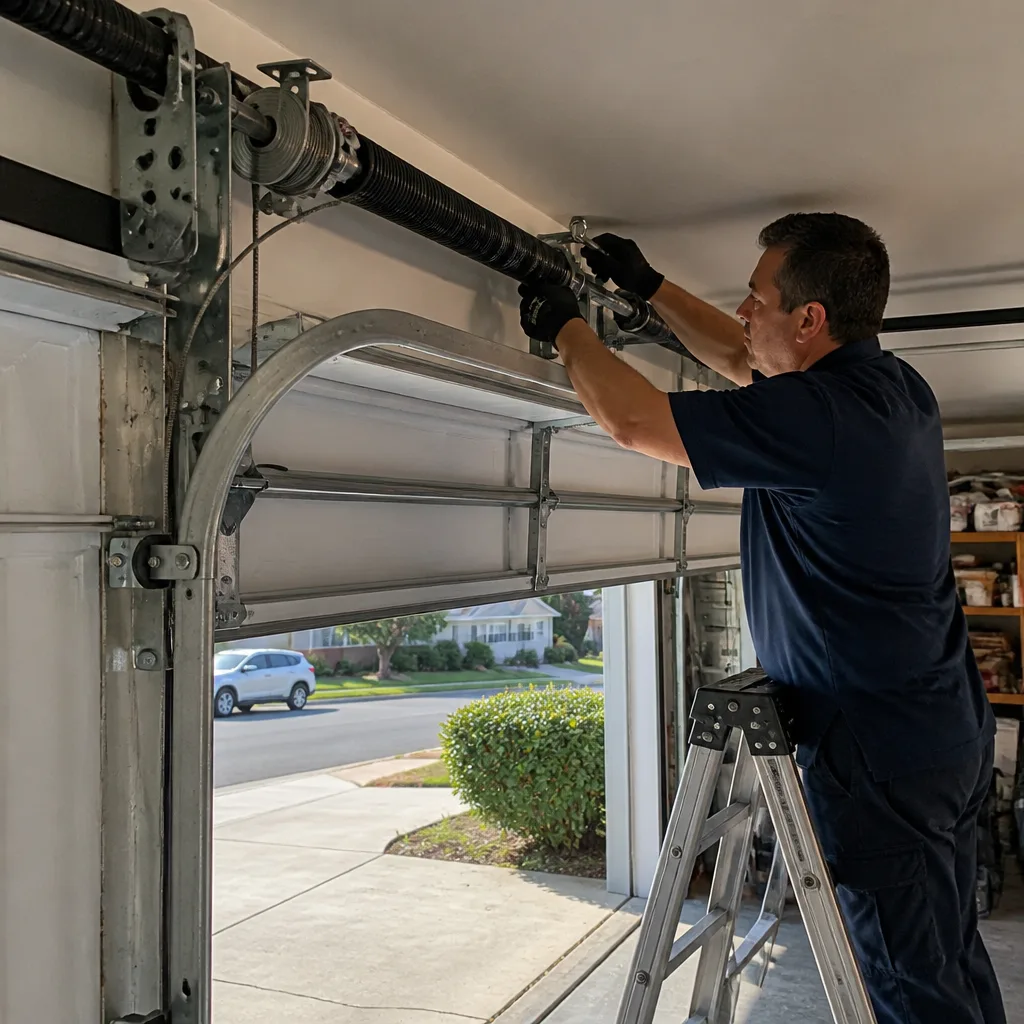 After
After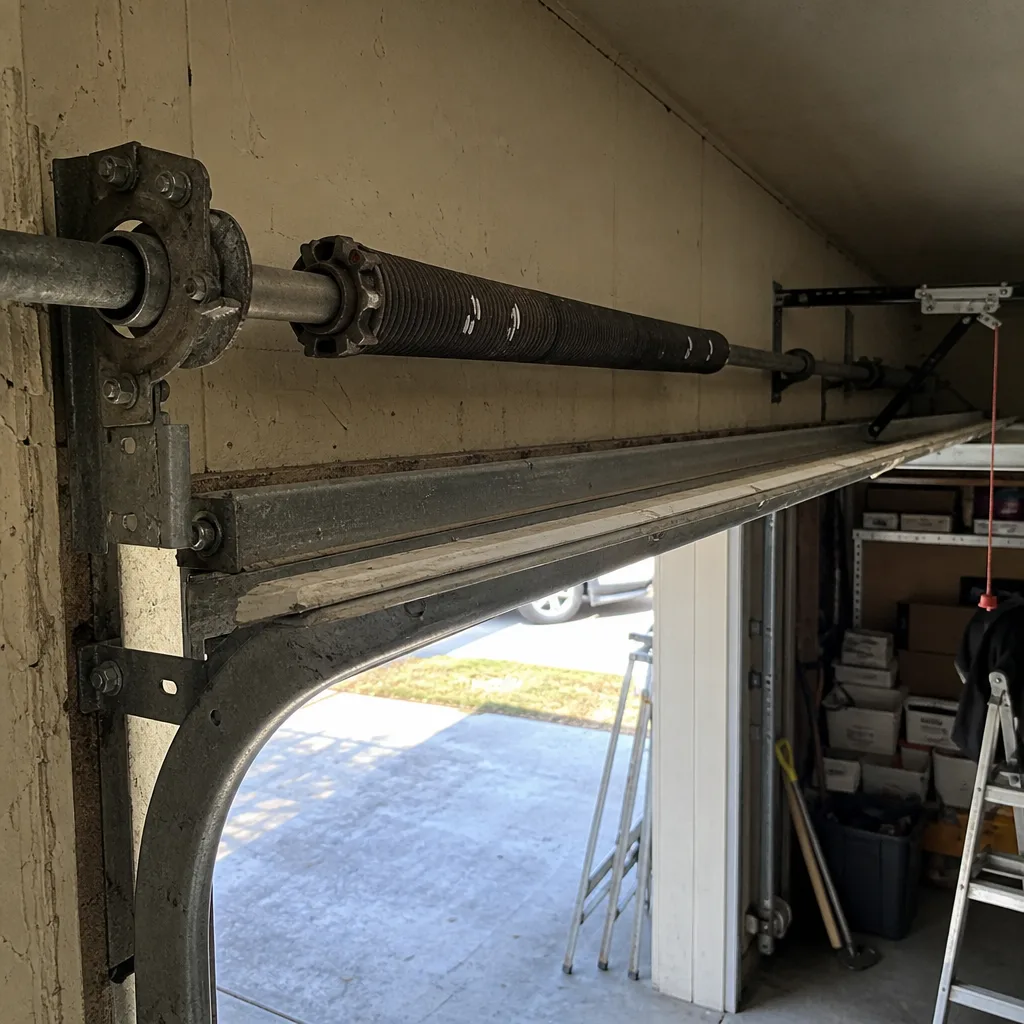 Before
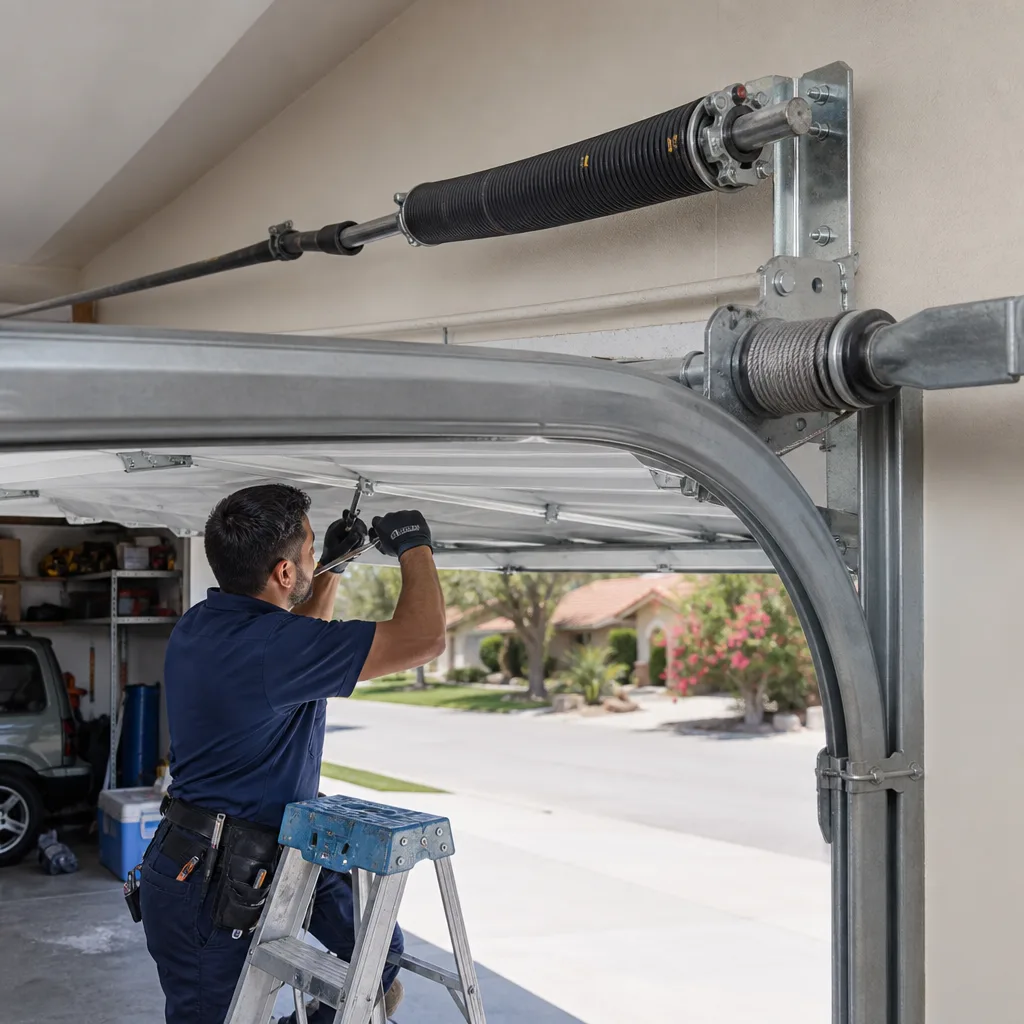 After
AfterThe Complete Guide to Garage Door in Simi Valley
The garage door is the largest moving part of most Simi Valley homes. It weighs between 150 and 400 pounds, cycles open and shut roughly 1,500 times a year, and is the only barrier between your cars, your storage, and a Ventura County summer. Yet the majority of homeowners cannot name a single component inside the spring assembly. That gap is precisely why people get quoted for parts they don’t need. This guide closes that gap. By the time you finish, you’ll know what’s behind the panel, what it costs to fix in Simi Valley, what you can safely handle yourself, and what a legitimate written quote must contain before you sign anything. For more guides & resources on keeping your door running, see our blog.
Quick Answer
A garage door is a system of counterbalanced panels, springs, cables, and tracks. Most repairs in Simi Valley cost between $150 and $450 for common issues like broken springs, snapped cables, and misaligned sensors, while full door replacement typically runs $1,200 to $3,800 depending on size, material, and insulation. See our Garage Door Cost Breakdown: The Simi Valley Homeowner’s Reference for 2026 for a detailed breakdown. The single most important protection a homeowner has is a written quote that names the failed component, the part number, and the labor rate before any work begins.
Table of Contents
- Anatomy of a Garage Door: Every Component Named and Explained
- What Simi Valley’s Climate Does to Your Door
- What Garage Door Work Costs in Simi Valley
- DIY vs. Professional: A Decision Matrix
- What a Written Quote Must Contain Before You Sign
- Permits, Codes, and the ADU Scenario Most Guides Skip
- Brand Overview: Clopay, Amarr, Wayne Dalton, and Craftsman
- Common Mistakes to Avoid
- When to Call a Professional
- Frequently Asked Questions
- The Bottom Line
BeforeAfterAnatomy of a Garage Door: Every Component Named and Explained
If you’re going to have an intelligent conversation about a repair, you need the vocabulary. Here is every major component on a sectional garage door, which is what 90 percent of Simi Valley homes use. We’ve ordered these in roughly the sequence of how often they fail.
Torsion Spring
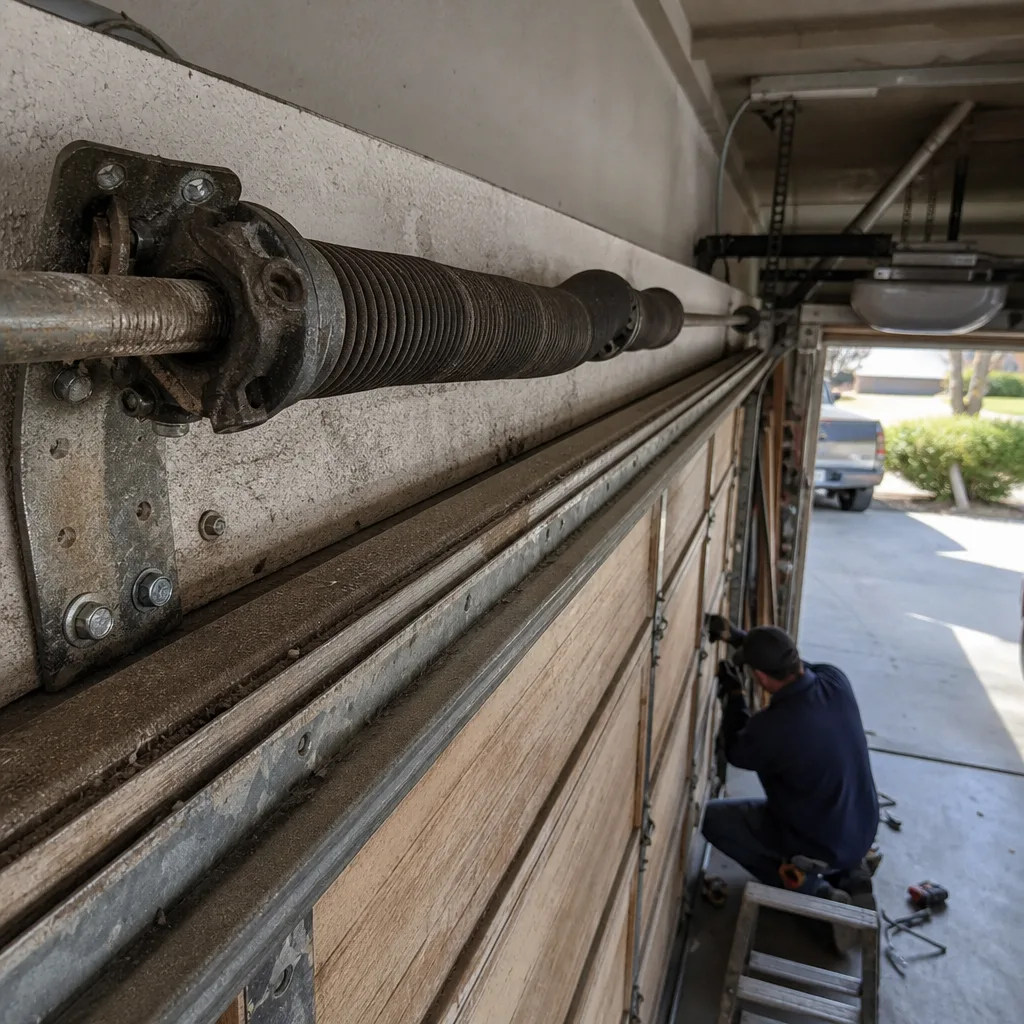
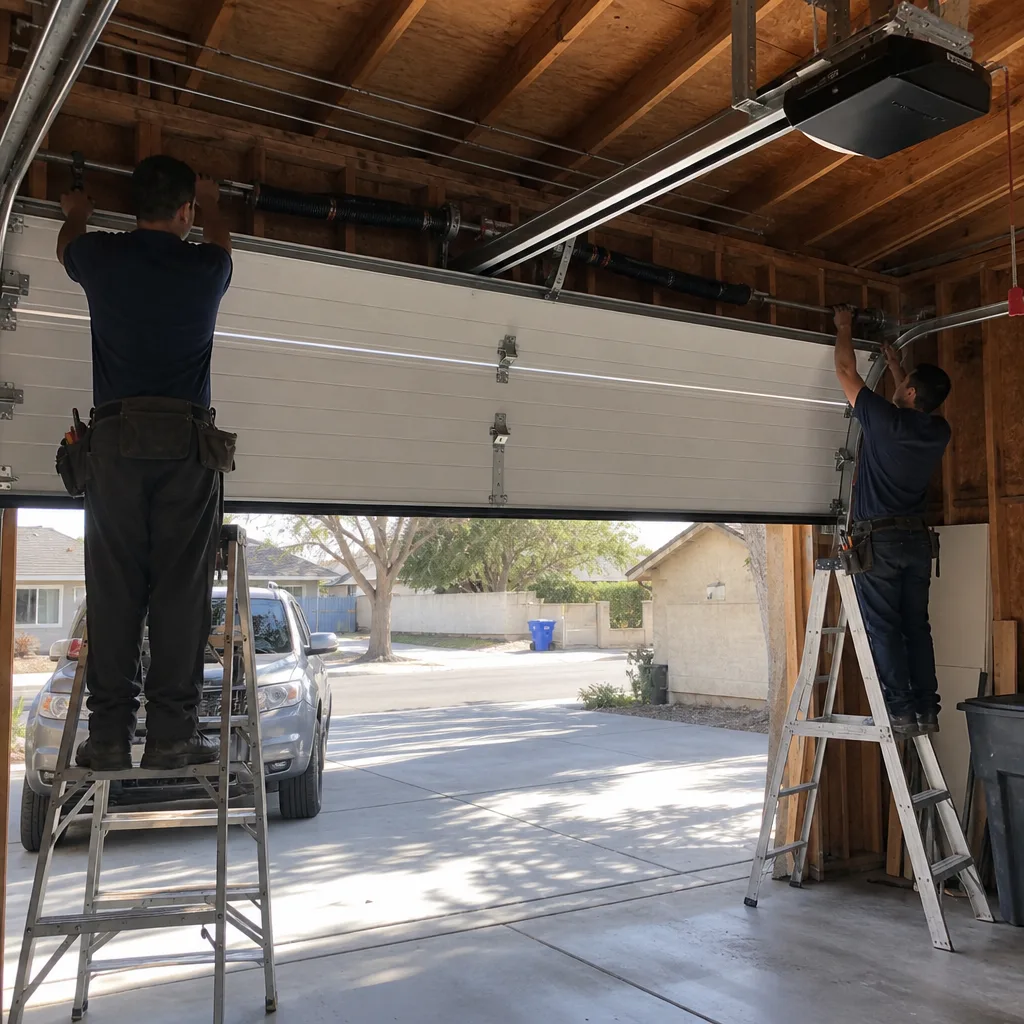
The torsion spring is a coiled steel spring mounted on a metal shaft above the closed door. It stores the mechanical energy that counterbalances the door’s weight, which is why your opener motor doesn’t have to lift 300 pounds on its own. Torsion springs are rated by cycle life: 10,000-cycle springs are standard on builder-grade doors, and they typically last 7 to 10 years in a Simi Valley home. When one breaks, you’ll hear a sound like a gunshot from the garage. This is the single most common repair in our area, and it is not a DIY job. The spring is under torque, and an uncontrolled release can cause serious injury.
Cable Drum
The cable drum is the grooved spool at each end of the torsion shaft. The lifting cables wind onto and off of these drums as the door moves. When a cable drum wears or a cable slips off it, the door will lift unevenly, bind, or slam. In Simi Valley, we see cable drum wear accelerate on west-facing garage doors where afternoon heat bakes the metal and dries out any residual lubrication.
Lifting Cable
The lifting cable is a galvanized steel strand that runs from the bottom bracket of the door, up the side, and onto the cable drum. These cables carry the full weight of the door. Galvanized cable resists rust, but Simi Valley’s dry heat combined with winter dew cycles causes micro-fraying over time. A frayed cable is a time bomb: when it snaps, the door can drop suddenly.
Hinges and Rollers
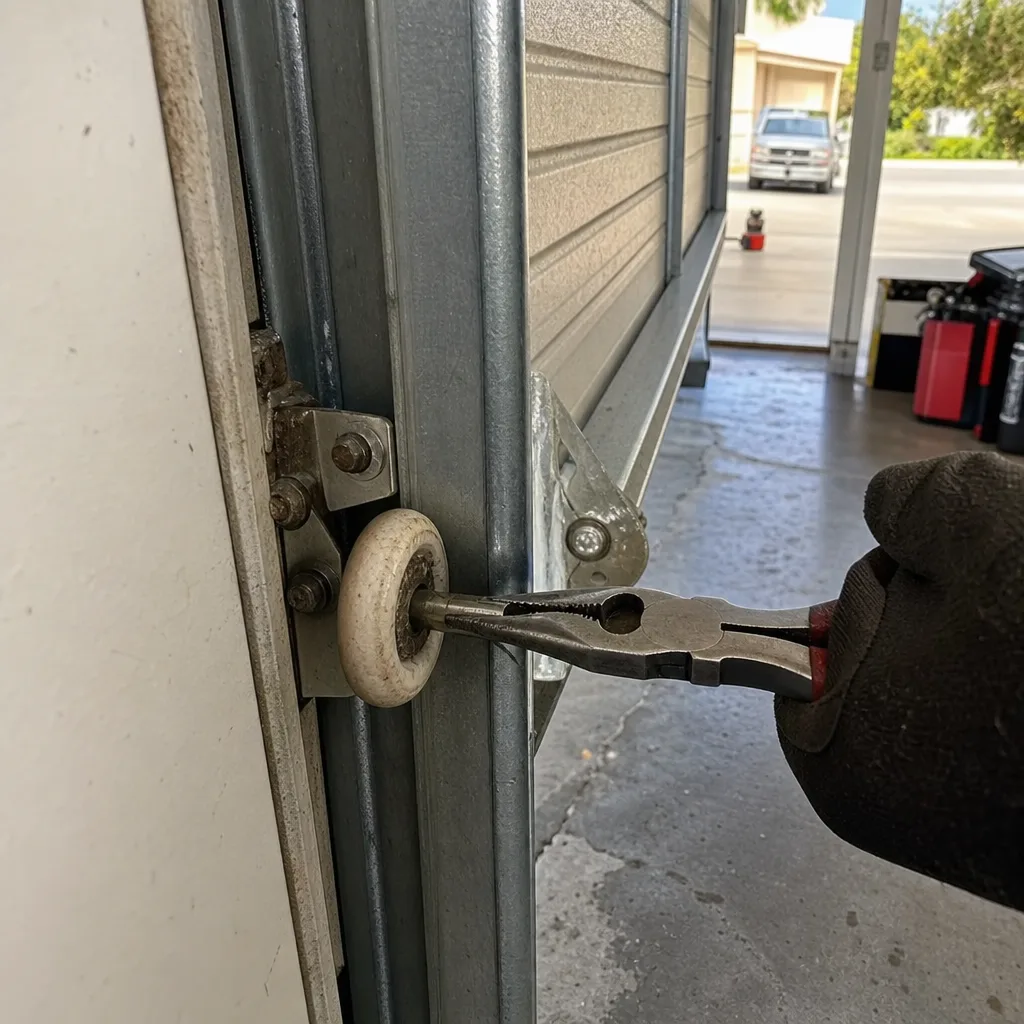
Hinges connect the door panels at each horizontal seam. Rollers are the small wheels, either steel or nylon, that ride inside the vertical and horizontal track. Nylon rollers are quieter and last longer than steel, but Simi Valley’s summer heat cycles cause nylon to get brittle about 2 to 3 years faster than in coastal climates. When rollers get flat-spotted or the bearings go, you’ll hear grinding and the door will shimmy as it runs.
Track System
The track is the shaped steel channel that guides the door from vertical to horizontal. Tracks get knocked out of alignment by repeated vibration, accidental bumps from a car, or a child’s basketball. A door that binds, squeals, or jerks usually has a track alignment or spacing problem.
Bottom Seal
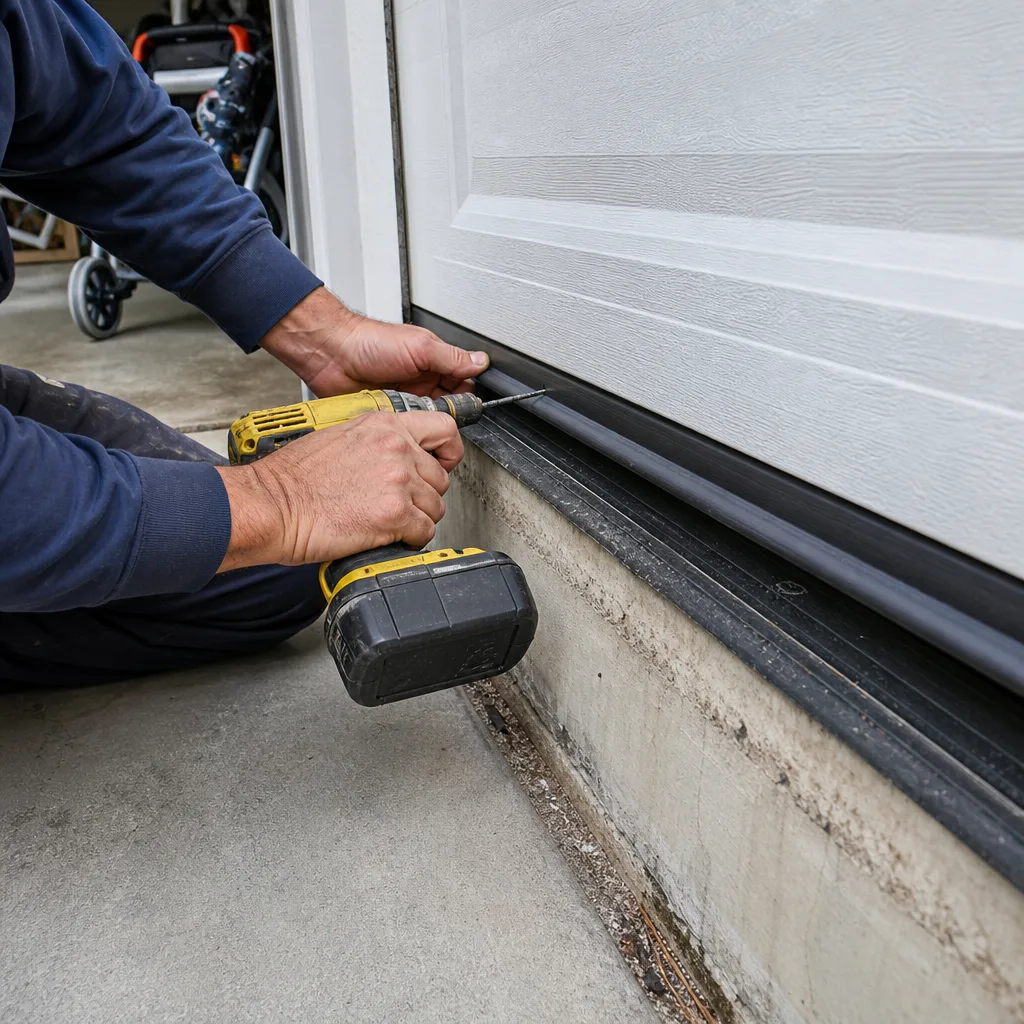
The bottom seal is the rubber or vinyl strip that runs along the bottom edge of the door panel. It keeps water, dust, leaves, and rodents out. Simi Valley gets very little rain, so the primary job of the bottom seal here is not moisture: it’s keeping out the fine-dust Santa Ana wind days and the black widow spiders that like garages. We replace bottom seals more often than most parts, simply because the heat hardens the material until it cracks.
Spring Bracket and Center Bearing
The spring bracket anchors the torsion spring to the wall or the header above the door. The center bearing supports the torsion shaft’s midpoint. These two parts are rarely named in quotes, which is a reason to ask. A lazy quote says “spring assembly”; a fully documented quote names the bracket and bearing if they’re actually the parts that failed.
Opener: Motor, Trolley Carriage, Limit Switch, Logic Board, Photo Eyes
Your opener is a separate system, and it deserves its own names. The motor is the electrical unit mounted on the ceiling; it provides the pull force. The trolley carriage rides the opener rail and connects to the door via the J-arm. The limit switch is what tells the motor where “up” and “down” are; when it fails, the door reverses at the wrong point or runs into the ground. The logic board is the circuit board that translates the signals from your remote, wall button, and safety sensors into motor commands. The photo eyes are the two small sensors at the base of the door opening; when they misalign, the door refuses to close. What most homeowners call “the opener is broken” is, in our experience, the limit switch, photo eyes, or a gear-and-sprocket kit in the motor head, not the logic board at all.
If you’ve read this far, you know more than the majority of people who call any garage door company in Simi Valley. And that’s the point: if the technician names the same parts you’ve just learned, you already know whether the diagnosis matches the sound you heard. Start with garage door repair in Simi Valley if you have a specific symptom to identify.
What Simi Valley’s Climate Does to Your Door
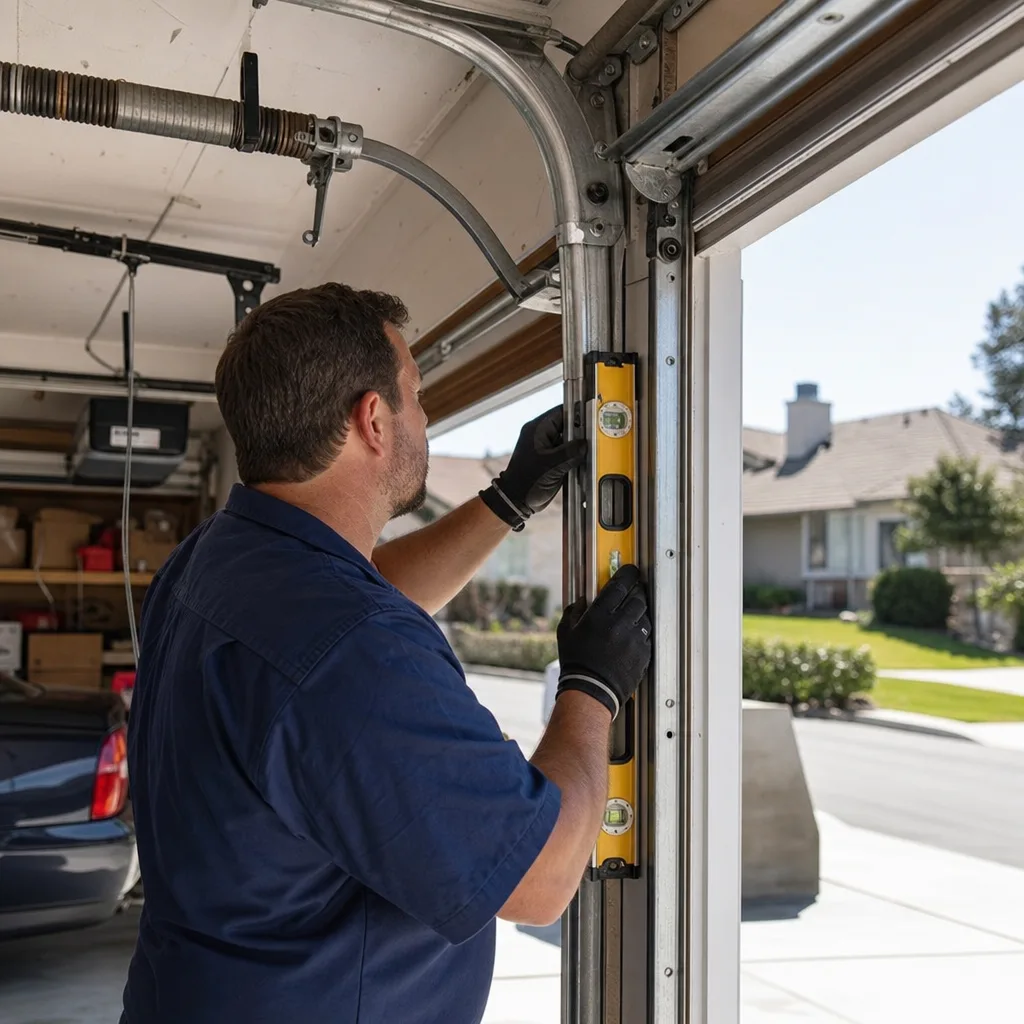
Simi Valley sits in the east end of Ventura County, protected from the marine layer by the Santa Susana Mountains, which means we get days over 95 degrees from June through October, then cold dry nights in the 40s through winter. That swing is harder on your door than actual use.
Here’s the failure timeline we see regularly in Simi Valley:
- Galvanized cables: Heat expands the steel, and cooler nights contract it. Over 5 to 7 years, that expansion-contraction cycle creates micro-fray at the bottom bracket and at the drum. The first visible sign is a single hair-thin strand poking out from the cable. Replace the cable when you see that strand, not when the door drops.
- Nylon rollers: Nylon gets brittle in low-humidity heat. Expect to replace standard nylon rollers every 4 to 6 years in Simi Valley, versus 6 to 8 years in a coastal Ventura County location like Camarillo or Oxnard.
- Bottom seal: The rubber hardens and cracks within 3 to 4 years. In our service area, we see homeowners wait too long because it doesn’t rain much, but the dust and spiders don’t need rain to get in.
- Springs: Torsion springs fail by cycle count, not by temperature directly, but Simi Valley’s hot garage interiors accelerate lubricant breakdown inside the coils, which shortens lifespan by about 10 to 15 percent compared to coastal garages of the same age.
- Wood doors (if you have one): The dry heat pulls moisture out of wood doors, causing panel warping and paint checking. Steel and fiberglass doors handle this climate better.
One more local factor: Simi Valley is in a high-wind zone during Santa Ana events. Doors with old or stretched springs slam harder on windy days against the header, which is when we see limit switch failures and track bracket bolts shear. Check your spring balance once a year, before the late-summer wind season, not after.
What Garage Door Work Costs in Simi Valley
Here are honest, current price ranges for the most common jobs in Simi Valley as of this writing. These are total ranges including parts and labor. No “call for quote” games here: we publish the number because the only way to compare contractors is to know what the range is before the phone rings. The only number that matters for your house is the one in writing, itemized, before work starts.
| Job | Typical Simi Valley Range | Notes |
|---|---|---|
| Torsion spring replacement (single spring) | $180-$340 | Includes spring, labor, balance check |
| Torsion spring replacement (pair) | $320-$550 | Both springs replaced; if one broke, the other is near end of life |
| Cable replacement (single side) | $120-$220 | Both cables recommended |
| Cable replacement (both sides) | $200-$380 | Includes drum inspection |
| Roller replacement (all rollers) | $150-$280 | Nylon rollers, 10-12 doors |
| Bottom seal replacement | $90-$180 | Material and labor |
| Track realignment / spacing fix | $100-$250 | Minor adjustment vs. bent track |
| Opener motor replacement | $400-$900 | Includes new motor head, remotes, safety sensors |
| Logic board replacement | $150-$350 | Model-dependent |
| Full door replacement (single, steel, non-insulated) | $1,200-$2,200 | Includes haul-away, no custom work |
| Full door replacement (double, steel, insulated) | $2,000-$3,800 | Two-car doors, Clopay or Amarr mid-tier |
Two notes on those numbers. First, emergency service in Simi Valley, at 3 a.m. on a Saturday, costs more than a Tuesday-morning appointment, typically a $75-$150 after-hours surcharge. Second, if a quote falls significantly below these ranges, ask what’s included: a stripped-down quote might omit the haul-away, the balance check, or the replacement of worn drums that will fail within months.
We also want to address the fear that sits behind every “how much” question. When you hire Servo Garage Doors Simi Valley, the price you agree to before we start is the price you pay. There’s no surprise invoice after the fact, no “we found additional damage” upsell. That’s not our policy; it’s Clause 1 of The Haven Standard, the written standard we’ve worked to since 2015. The written price and the written scope come first, or nothing starts.
If you’re weighing repair against replacement, the decision rule most Simi Valley homeowners use is simple: if one component fails on a door that’s 15+ years old, and the door itself is in rough shape, replacement starts making financial sense. If the door is under 10 years old, fix the part. For more context, see our garage door installation guide for Simi Valley.
DIY vs. Professional: A Decision Matrix
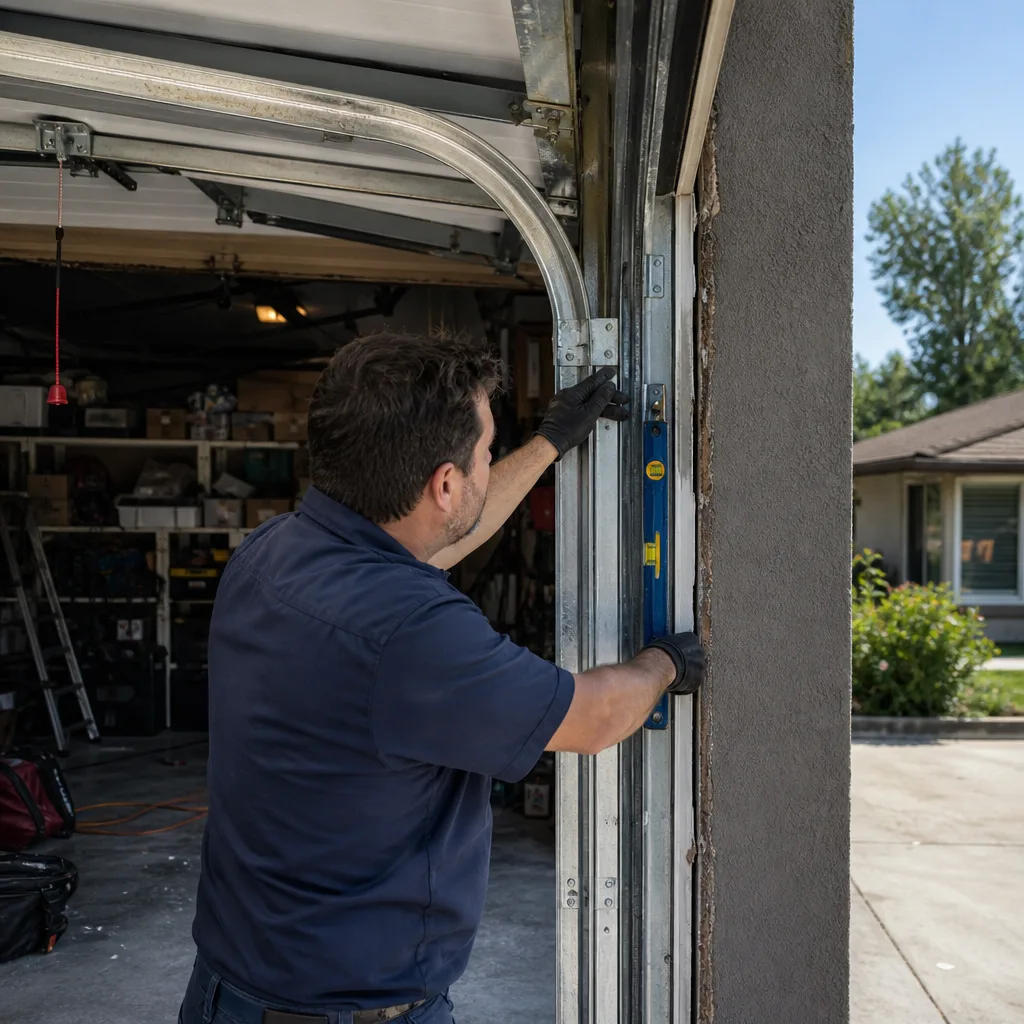
Some jobs are safe for a careful homeowner with basic tools. Some are not, and a few will void your manufacturer warranty if you touch them. See our DIY vs Professional Garage Door: The Simi Valley Homeowner’s Decision Guide for the honest breakdown.
You Can Do This Yourself (with documented safety steps)
- Bottom seal replacement: Slide out the old seal, slide in the new one. Soapy water helps. Allow 45 minutes. No risk of injury.
- Visual inspection: Look at rollers, hinges, cables, and tracks with a flashlight. You’re not repairing; you’re documenting. Take photos.
- Photo eye cleaning and aiming: Dust accumulates on the lenses, and one bump from a car can misalign them. Wipe with a dry cloth, check the small green indicator light, adjust by hand until solid.
- Lubrication: Use white lithium grease on hinges and the torsion spring, and a garage-door-specific silicone spray on the rollers and track. Do this every 6 months. Do not use WD-40.
Do Not Do This Yourself (serious injury risk)
- Anything involving the torsion spring: Adjusting, releasing tension, replacing. The torsion spring holds 150 to 300 pounds of torque, and an uncontrolled release can exit through the wall or your body. This is the absolute line. Hire a licensed professional, full stop.
- Cable replacement: Cables carry the full weight of the door and are under tension when the door is down. They ride on the same shaft as the torsion spring. If you’re not releasing spring tension, you’re not doing cable work safely.
- Track removal or major realignment: Removing track bolts or loosening brackets under a loaded door is how people get pinned.
- Opener motor replacement involving electrical wiring: Replacing a belt or gear kit is one thing; rewiring a motor head is another. If you’re not sure what’s line voltage and what’s low voltage, don’t touch it.
Jobs That Void Your Warranty If You DIY
Manufacturer warranties on doors from Clopay, Amarr, Wayne Dalton, and Craftsman typically require installation and repair work by a “qualified garage door professional.” If you disassemble the spring assembly or the door panel stack and something fails afterward, the manufacturer can decline the claim. In practice, we’ve seen Clopay and Amarr enforce this on spring and panel claims. The safest interpretation: if it involves removing components that are under warranty, use a professional and keep the documentation.
Decision Matrix at a Glance
| Task | DIY? | Risk Level | Warranty Risk |
|---|---|---|---|
| Visual inspection, photo documentation | Yes | None | None |
| Lubrication | Yes | Low | None |
| Photo eye cleaning/aiming | Yes | Low | None |
| Bottom seal replacement | Yes | Low | None |
| Roller replacement (single roller, front of track only) | Yes, carefully | Medium | Low |
| Cable replacement | No | High | High |
| Torsion spring adjustment/replacement | No | Extreme | High |
| Track realignment | No | High | Medium |
| Opener logic board or motor replacement | No | Medium-High (electrical) | Medium |
What a Written Quote Must Contain Before You Sign
Most homeowners sign a quote based on a number. That’s backward. The number is the last thing on the page you should look at. Here’s what a legitimate, defensible written quote must contain, and what we’ve written into The Haven Standard since day one.
- The failed component named in plain trade terms. Not “door repair.” It should say “torsion spring, right side, 0.218-inch wire, 10,000-cycle.” If the quote won’t name the part, the technician hasn’t diagnosed anything.
- The part number or part specification. A quote that says “spring” without a wire gauge, length, and cycle rating is not a quote. It’s a guess with a price tag. Every job we quote in Simi Valley includes the specific part spec.
- A photo of the failed component. This is the clause that separates legitimate companies from ones that operate on trust. Clause 4 of The Haven Standard is the founding rule we built this business on in 2015: the customer sees the failed part before anyone quotes a replacement. Not an illustration, not a “similar part from a catalog.” A photo of your actual failed component, taken by the technician, shown to you, and left in your record. If a company won’t show you the failed part, walk.
- Labor rate and labor hours. Parts are one column; labor is another. A quote that blends them into one number hides whether you’re paying $90 or $190 an hour.
- Written scope of work. What’s included: removal, disposal, lubrication, balance check, photo record, warranty terms. What’s not included. If the scope says “and related repairs as needed,” that’s an open checkbook. Cross it out and initial it, or find another company.
- The total price, including tax, before work starts. Not an estimate. Not a range. A flat number. Clause 1 of The Haven Standard states it plainly: a written price and written scope are delivered before any work begins, on every job, no exceptions.
When you call us, the quote you receive includes all six elements. We built this system in Simi Valley because we know what a three-star review looks like: “the price changed when they got there.” A written quote makes that impossible.
Permits, Codes, and the ADU Scenario Most Guides Skip
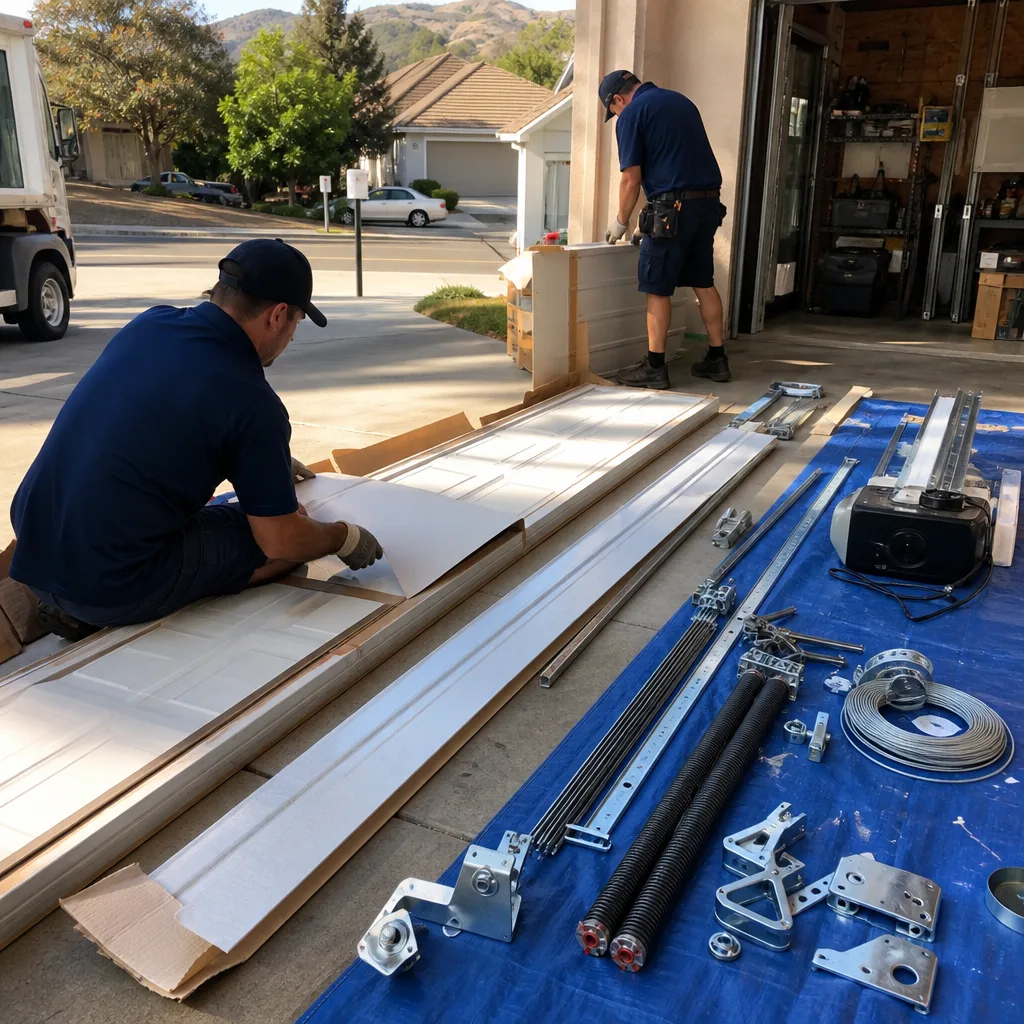
Most garage door guides mention permits in passing, as a “check with your city” footnote. For the full picture, see our guide to Garage Door Permits, Codes & Inspections in CA: What You Need to Know; here’s the Simi Valley reality.
Simi Valley follows the California Residential Code and Ventura County amendments. For a standard garage door replacement on an existing single-family home, where you’re swapping one door for another of the same size and operational type, you generally do not need a permit. The work is considered a like-for-like replacement.
But there is one scenario that gets missed, and it’s increasingly common in Simi Valley because of ADU construction.
The ADU Title 24 Scenario
If your garage is attached to an accessory dwelling unit (ADU), or has been converted to one, the garage door is part of the building envelope. Under Ventura County’s current interpretation of Title 24 energy requirements, replacing a garage door on an attached ADU can be classified as an envelope alteration, not a simple replacement. That triggers two requirements: the replacement door must meet the same or better U-factor and R-value for the climate zone, and the installation may need to be documented for the Title 24 compliance file, which stays with the property.
In plain English: if you have an ADU with an attached, converted, or conditioned garage, do not swap that door blind. You may need a permit and a compliance check. We’ve seen Simi Valley homeowners buy an uninsulated steel door on sale, install it, and then discover during a future property sale or ADU inspection that the door doesn’t meet envelope standards. The fix costs more than the original door.
The short version: standard single-family garage door replacement, no permit. ADU or conditioned-space garage door, check with Simi Valley Building and Safety first. When in doubt, get it in writing.
Brand Overview: Clopay, Amarr, Wayne Dalton, and Craftsman
You don’t need to know every door brand. You need to know what each of the major ones does well, and where they overlap. In Simi Valley, we service four brands most often: Clopay, Amarr, Wayne Dalton, and Craftsman.
Clopay is the largest residential door manufacturer in North America. In our area, Clopay doors show up on roughly 40 percent of newer builds. They’re known for strong steel-panel construction and wide style range, from basic non-insulated to high-R-value insulated models. Clopay’s higher-end lines use a tri-layer construction that handles Simi Valley heat without panel delamination, which is the separation of the outer skin from the foam core.
Amarr wins on the commercial-grade hardware side. Their residential doors often come with heavier-gauge tracks and brackets, which matters on wide two-car doors in wind-prone Simi Valley neighborhoods. Amarr’s insulation values are honest and published, and their warranty documentation is among the easiest to process.
Wayne Dalton is known for one thing above all: the TorqueMaster spring system, which encloses the torsion spring inside a tube instead of exposing it on the shaft. In theory it’s safer and cleaner. In practice, TorqueMaster springs are harder to service, and when they fail, replacement cost often runs higher. If you have a Wayne Dalton door with TorqueMaster, note that in your records. It changes how a technician diagnoses and quotes.
Craftsman is the opener brand most commonly paired with these doors in Simi Valley garages. Craftsman openers are chain-driven, reliable, and inexpensive to repair, because parts are widely available. The weak points are the gear-and-sprocket kit, which strips after 8 to 12 years, and the trolley carriage, which wears. Both are quick fixes for a professional.
You don’t need to become a brand loyalist. You need to know what’s installed in your house, so that when a technician quotes you, you can read the quote intelligently. Every door has a model plate on the inside edge of an end panel with the manufacturer, model, and serial number. Photograph it today. Future you will be grateful.
Common Mistakes to Avoid
- Signing a quote that doesn’t name the failed part. “Door repair: $450” tells you nothing. A legitimate quote names the torsion spring, the cable drum, the limit switch. If it doesn’t, you’re not paying for a diagnosis; you’re paying for a guess.
- Calling a contractor and asking “what would you charge for a new spring?” sight unseen. No honest tech quotes a spring replacement without measuring wire diameter, length, and cycle rating. Anyone who does is either going to change the price later or is guessing and charging for both outcomes.
- Lubricating your door with WD-40. WD-40 is a solvent and moisture displacer. It strips the existing grease and leaves moving parts dry. Use white lithium grease on metal-on-metal surfaces and garage-door silicone on rollers and track.
- Ignoring a frayed cable because the door still opens. A cable with one visible strand of fray is weeks from failure, not months. When a cable snaps, the door can drop in its track and damage the panel or anything under it. Replace it before it strands someone in the garage or drops on the car.
- Thinking a “tune-up” fixes a broken spring. A tune-up is lubrication, tightening, and balance check. It does not repair a broken spring, a worn drum, or a frayed cable. If a company sells you a $99 tune-up and “doesn’t notice” the frayed cable, they’re saving the expensive problem for a second visit.
- Skipping the photo record. You should leave every service with photos of the failed component and the replacement. It protects you if the same part fails again, and it protects the company if the diagnosis is questioned. Clause 4 of The Haven Standard is why we photograph the failed part before quoting a replacement. Ask any company you hire to do the same.
- Choosing the lowest bid on a full door replacement without comparing R-value. In Simi Valley’s heat, an insulated double door pays for itself in garage comfort and energy efficiency. Two doors at the same price can differ by 10 R-value points, which is the difference between a garage that stays in the 80s and one that hits 100 in August.
When to Call a Professional
Call a professional when the job involves spring tension, cable tension, track structural work, electrical wiring, or a door that has come off its tracks. That covers most real repairs. If you’re hearing a sound you haven’t heard before, a grinding, a snap, a popping, a whining, do not keep cycling the door to see if it goes away. It won’t, and every cycle adds load to the components that haven’t failed yet. The most expensive repairs we see in Simi Valley are the ones that started as a $150 cable issue and ended as a full door replacement because the homeowner kept opening the door on a compromised spring for two weeks.
Servo Garage Doors Simi Valley offers free estimates in Simi Valley, with a written price before any work starts. Call (661) 964-4530. Our technicians are background-checked and uniformed, the license number is on the page, and the photo record is included on every visit. If you have a written estimate from another company, bring the paperwork and we’ll give you a second opinion at no charge.
For a deeper look at one specific repair area, see our guides on garage door opener repair and installation in Simi Valley.
Frequently Asked Questions
A single torsion spring replacement in Simi Valley typically runs $180 to $340 including parts and labor; a pair runs $320 to $550. The exact price depends on the spring’s wire diameter, length, and cycle rating, which is why a quote should be itemized and include the part spec. Call (661) 964-4530 for an exact quote. Estimates are free, and the price is set in writing before any work begins.
Yes, for emergency calls including broken springs, snapped cables, and doors stuck open. We answer the phone with a live person 24/7, including holidays, and we can dispatch a technician for same-day service in Simi Valley. You’ll get a named technician and an on-the-way text, not a callback window.
No. The price you agree to before we start is the price you pay. That’s the entire point of Clause 1 of The Haven Standard: a written price and written scope are delivered before any work begins, on every job. Call (661) 964-4530 and you’ll see the number in writing before we touch a bolt.
Yes. Our technicians carry the highest-failure components on the truck: torsion springs in common wire diameters and lengths, lifting cables, bottom seals, rollers, hinges, photo eyes, and opener parts. For uncommon door models, a second trip may be required, but it’s the exception, not the rule.
We service all eight major brands: LiftMaster, Chamberlain, Genie, Clopay, Amarr, Wayne Dalton, Craftsman, and Raynor. That includes Wayne Dalton’s TorqueMaster spring system, which many companies won’t touch because it requires different tools and procedures.
No. Estimates are free. The quoted price is written, flat, and includes parts, labor, and any disposal. A free second opinion is also available on any written estimate from another company: bring the paperwork and we’ll review it line by line, no coupon or code required.
The Haven Standard is the documented operating system we work under. Clause 1 requires a written price and written scope before any work begins. Clause 4 requires the technician to photograph the failed component before quoting a replacement. It’s a written standard, not a handshake, and you can read the full terms page yourself. The point of the standard is to make “trust us” unnecessary.
The Bottom Line
Your garage door is a counterbalanced system with named parts and predictable failure timelines, especially in Simi Valley’s dry heat. The more you know about what’s behind the panels, the harder it is for any company to sell you a part you don’t need. Ask for a written quote that names the failed part, includes the part spec, and shows you a photo of what failed. Avoid spring and cable work yourself, regardless of how many YouTube tutorials exist. Keep a photographic record of your door, your springs, and your opener’s model plate. And when something grinds, snaps, or drops, call (661) 964-4530 and speak to a live person. We’ll tell you what we found, we’ll show you the failed part, and we’ll put the price in writing before anything starts.
Written by Marcus Deller, Owner at Servo Garage Doors Simi Valley, serving Simi Valley since 2015. Learn more at the Servo Garage Doors Simi Valley home page.