
Last updated September 20, 2026
Full 25-point door and opener safety check with every visit - springs, cables, rollers, tracks, and your LiftMaster or Chamberlain opener included
You get a price before we start. It does not change when the truck arrives.
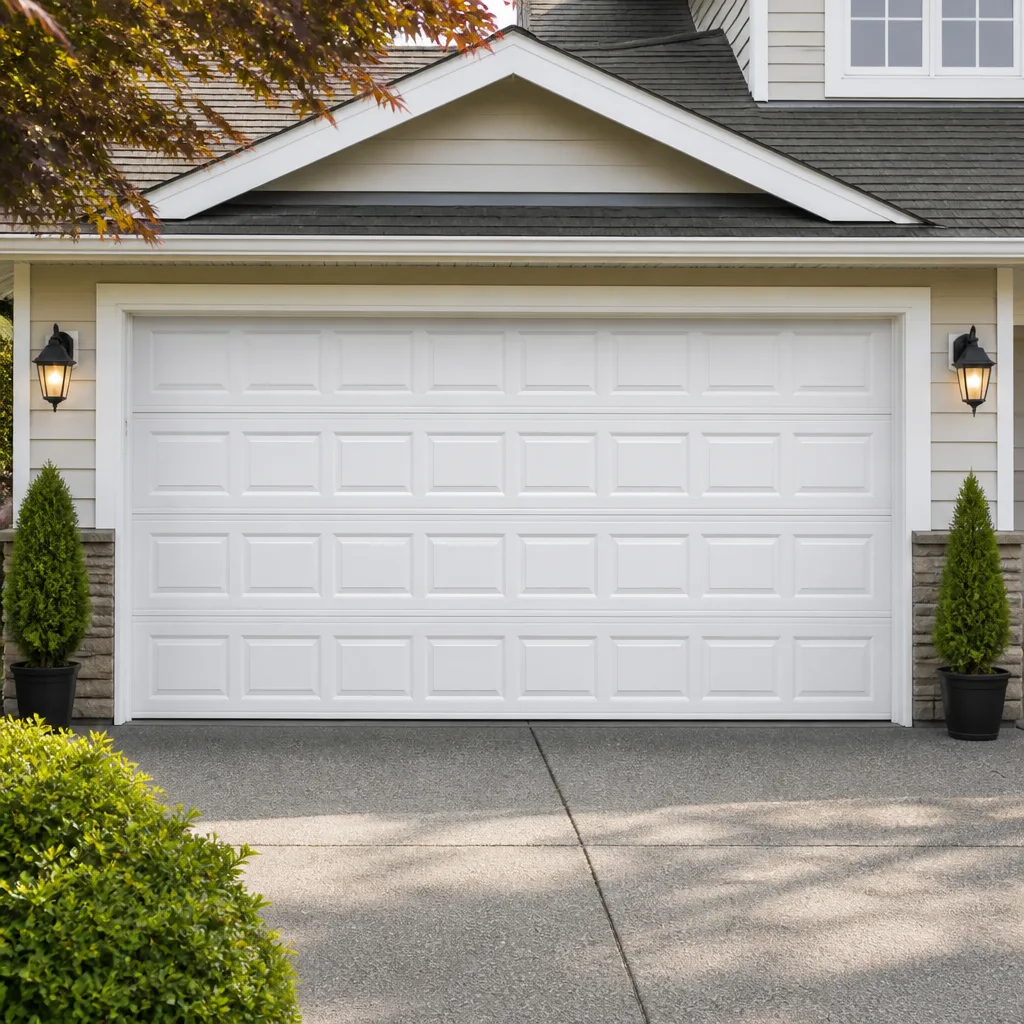
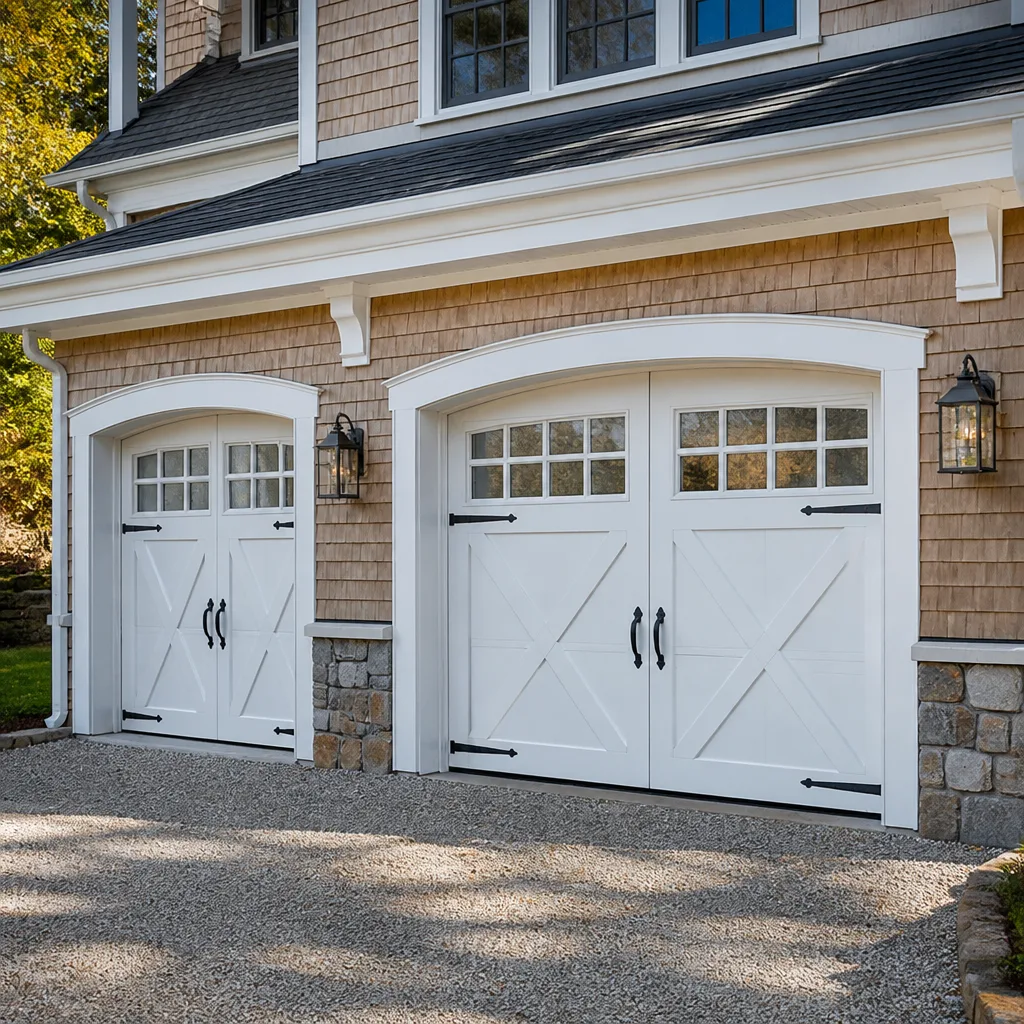
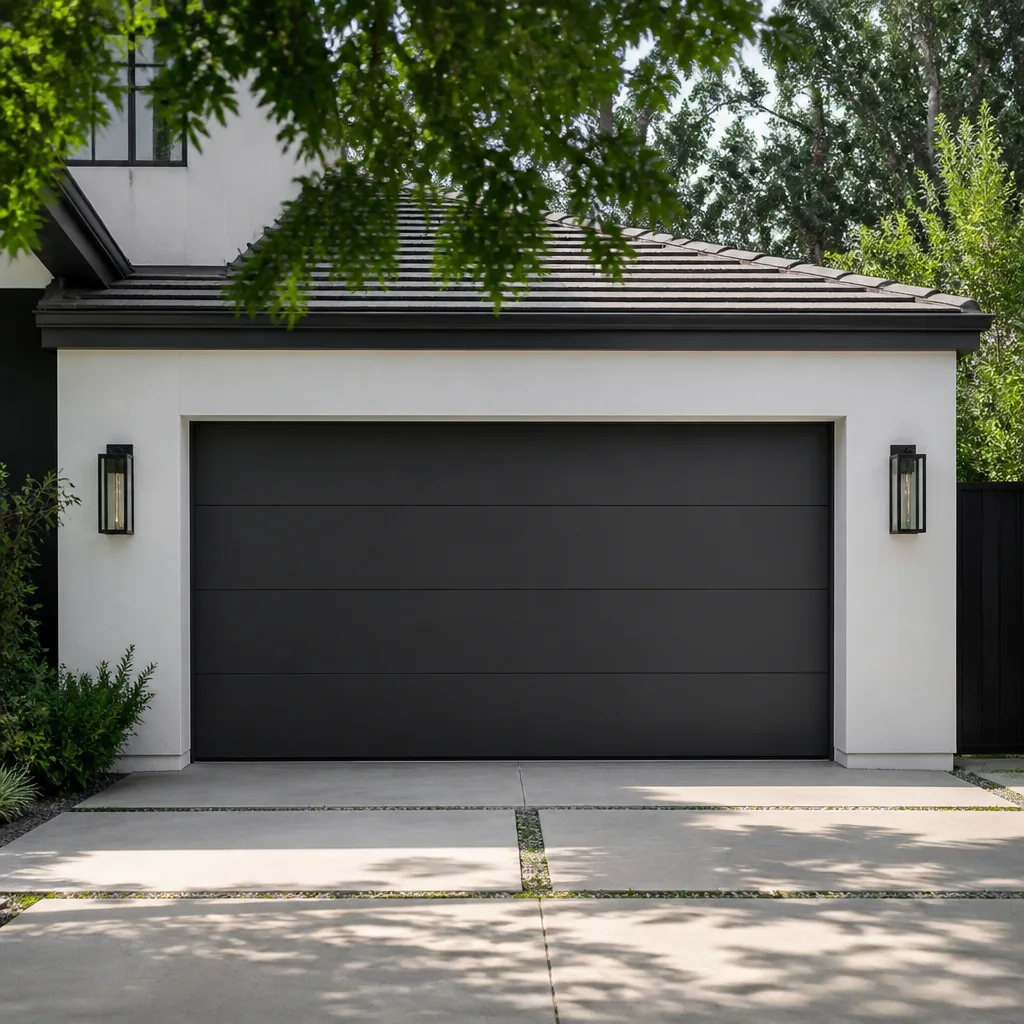
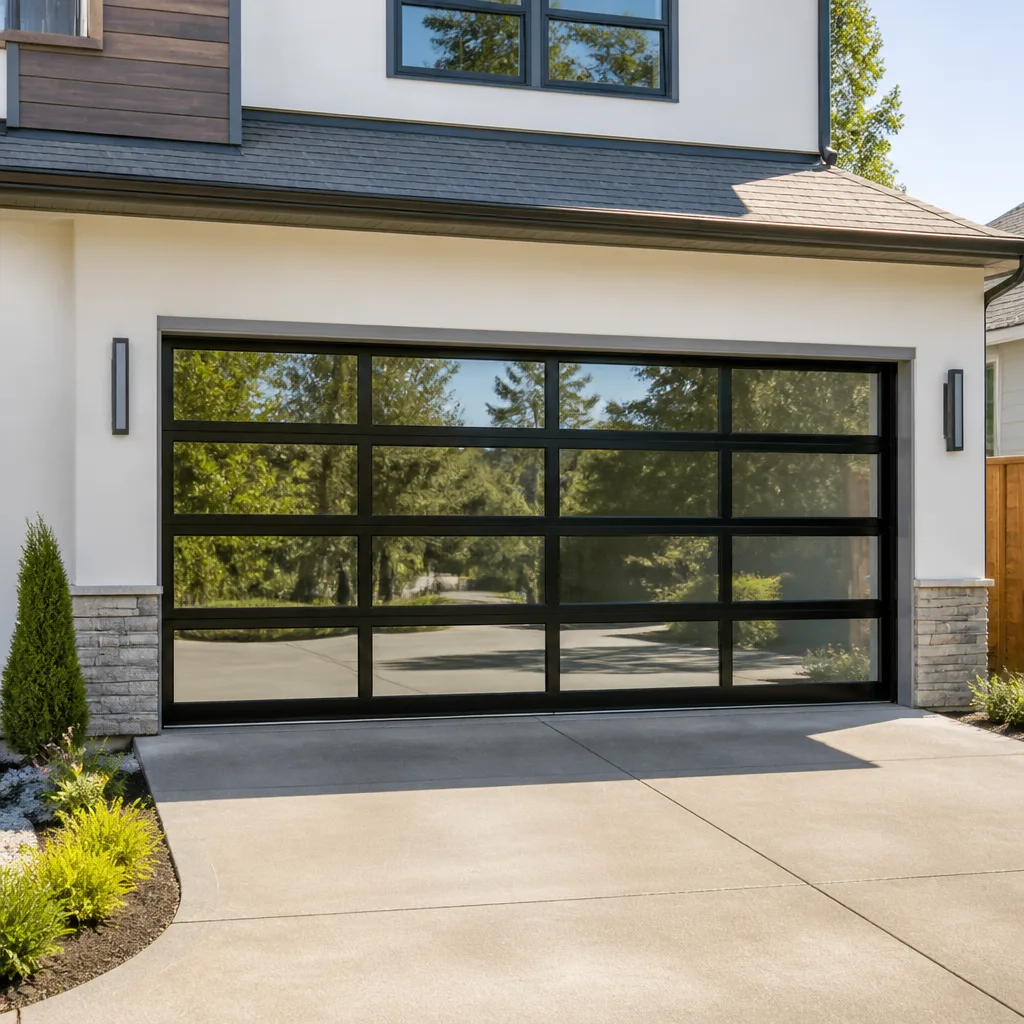
 Before
 After
After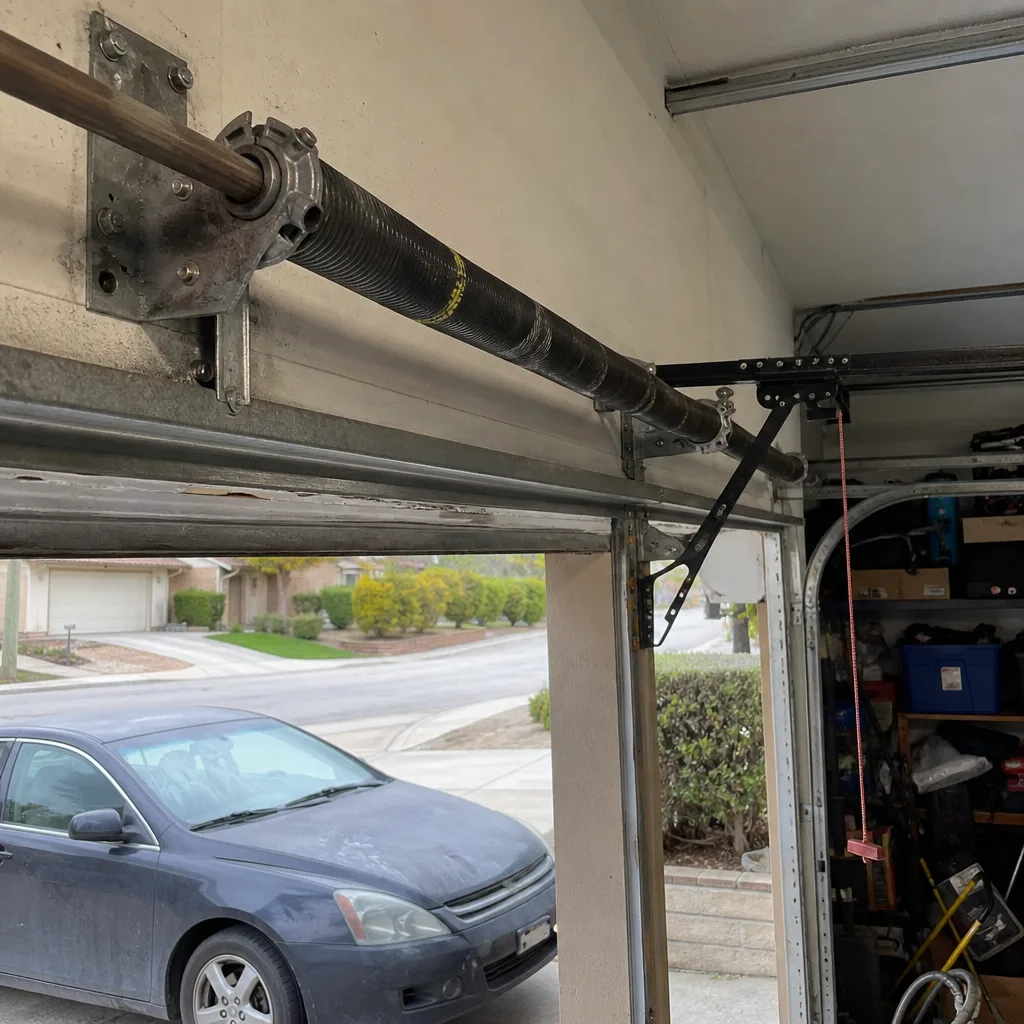 Before
 After
After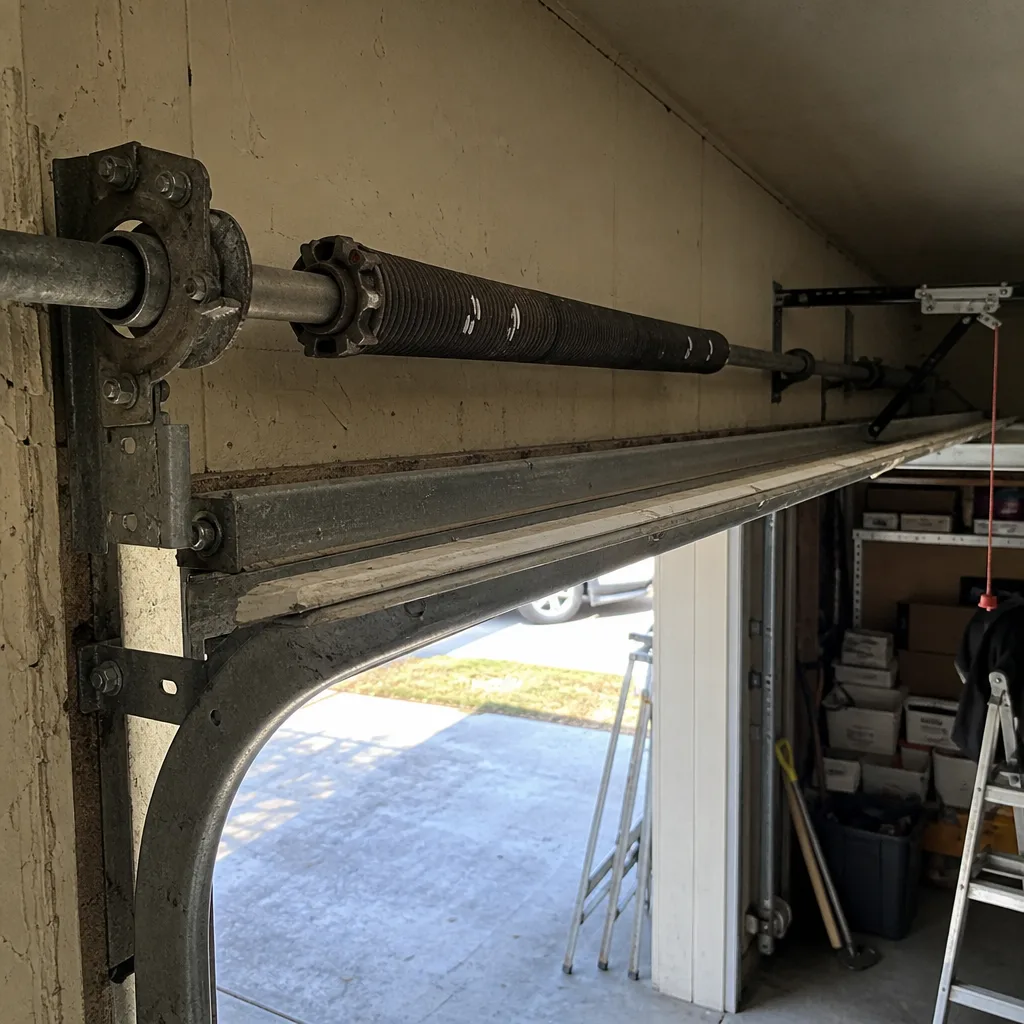 Before
 After
AfterGarage Door Repair Maintenance Checklist for Simi Valley Homeowners
Every spring, Simi Valley homeowners run through the same maintenance ritual: spray the hinges, eyeball the springs, maybe tighten a bolt or two. And every year, the same homeowners still account for the majority of emergency torsion spring replacements in September, when the summer heat has finished its work. The reason is simple: most checklists describe tasks without defining failure. “Inspect the springs” means nothing unless you know that a visible quarter-inch gap between coils is the threshold where replacement becomes inevitable. This guide pairs each maintenance item with the pass/fail measurement that actually matters and the repair cost in Simi Valley that gets triggered when something crosses that line. For more detail on what to watch for, see our Garage Door Warning Signs: A Simi Valley Homeowner’s Reference Guide.
Quick Answer
A useful garage door maintenance checklist for Simi Valley homeowners covers seven inspection points per door: torsion spring coil gap and rust percentage, cable strand integrity, roller bearing play, hinge pin wear, track alignment within one-eighth inch, opener auto-reverse force per California law, and lubricant condition on all moving parts. Run this checklist every June and December, and you’ll catch most failures before they become emergency calls that average $280 to $450 for a spring replacement in Simi Valley.
Table of Contents
- The Simi Valley Maintenance Schedule: June and December, Not Just Spring
- Torsion Springs: What “Inspect” Actually Means
- Cables and Drums: Reading Strand Wear Before It Snaps
- Rollers, Hinges, and Tracks: The Motion Components
- Lubrication by Component: What Goes Where, and What Burns Off in Simi Valley Heat
- The Auto-Reverse Force Test: California’s Actual Legal Threshold
- Documentation: How to Log Inspections So No One Can Dispute the Baseline
- Common Mistakes to Avoid
- When to Call a Professional
- Frequently Asked Questions
BeforeAfterThe Simi Valley Maintenance Schedule: June and December, Not Just Spring
Most national guides tell you to inspect your garage door once a year, usually in spring. That advice ignores the climate reality of Simi Valley. The June through September stretch routinely delivers 90-plus-degree days that do two specific things to a garage door system: they thin out lubricant on spring coils and roller bearings faster than any other season, and they cause thermal expansion on steel cables and tracks. When the temperature drops in October, those stretched components contract and settle into new positions. A door that passed inspection in May can be measurably out of alignment by Halloween.
Run a full inspection twice a year in Simi Valley:
- First week of June: Before the heat peaks. This catches components already near failure before high temperatures accelerate the deterioration. Pay closest attention to torsion spring rust and cable strand wear, because heat accelerates both.
- First week of December: After the heat has broken and any thermal movement has settled. This inspection identifies what the summer damaged. In our experience across Simi Valley neighborhoods from Wood Ranch to Big Sky, the December inspection catches more cable stretch and track misalignment than the June pass.
Additional spot checks apply if you live in the hills or canyon-adjacent areas of Simi Valley, where overnight temperature swings run wider than the valley floor. The wider the temperature swing, the faster metal components fatigue.
If you are looking for a broader repair reference before digging into this checklist, our Garage Door Repair in Simi Valley page covers the full range of service scenarios and typical price ranges.
Torsion Springs: What “Inspect” Actually Means
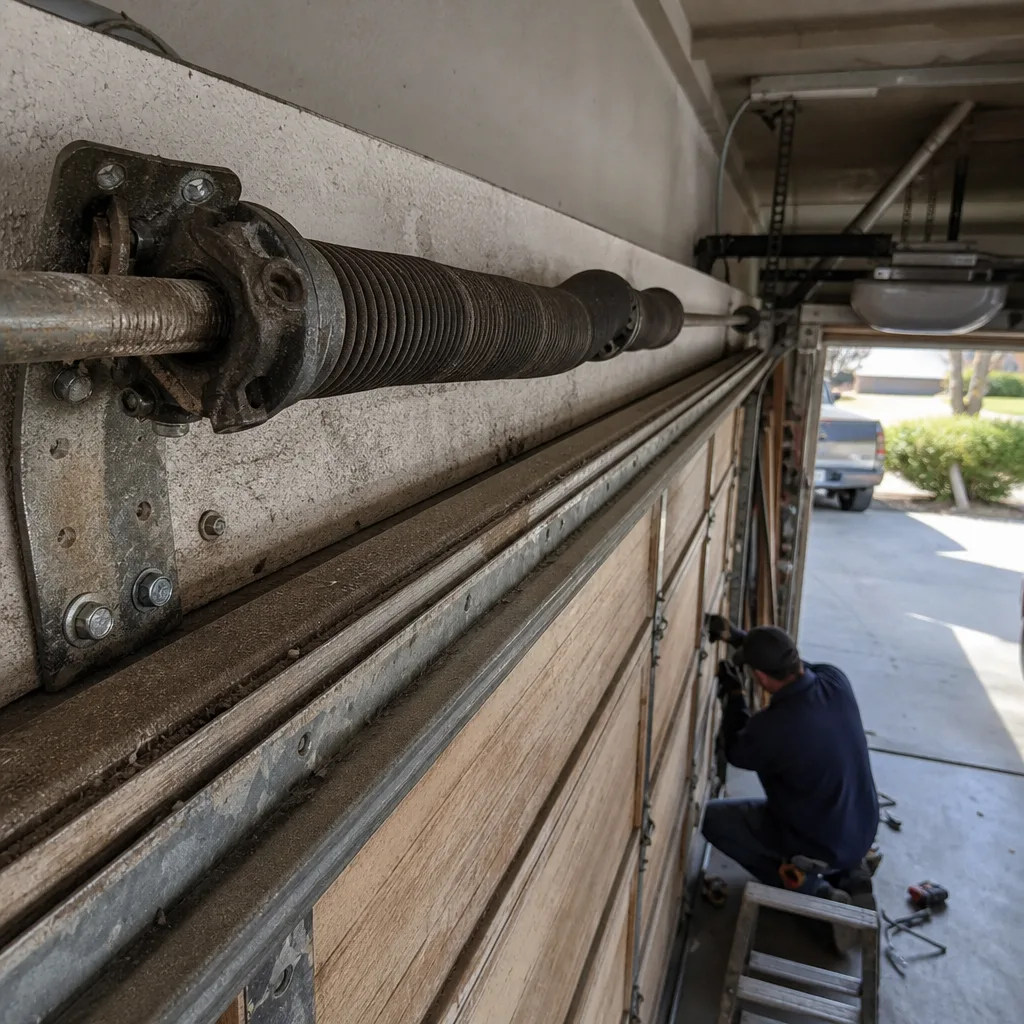
A torsion spring is a coil of hardened steel mounted above the door opening, wound under tension to counterbalance the door’s weight. Most standard residential doors in Simi Valley use either one or two torsion springs rated for 10,000 cycles, which translates to roughly 7 to 10 years of daily use. When they fail, they fail completely and without much warning, which is why they cause the majority of emergency calls.
Here is what “inspect the springs” means in measurable terms:
- Coil gap: Look at the spring in its unwound, door-closed position. A healthy spring has coils touching, with no visible light between them. If you can see a gap of one-eighth inch or more between any two adjacent coils, that spring has deformed and is nearing failure. A one-quarter-inch gap means replacement is not optional; it is overdue.
- Rust coverage: Surface rust is cosmetic. Pitting rust, where the surface feels rough and cratered under a wire brush, is structural. If pitting covers more than 30 percent of the coil surface, the spring has lost enough material thickness to be unreliable. In Simi Valley’s dry climate, rust is less common than in coastal areas, but it still appears on doors where water heaters or washing machines vent into the garage and raise the local humidity.
- Cycle count: If you do not know when the springs were last replaced, estimate by age. A door used four times daily cycles its springs about 1,460 times per year. A 10,000-cycle spring lasts about seven years at that usage rate. If your springs are older than seven years and show any gap or pitting, budget for replacement preemptively rather than reactively.
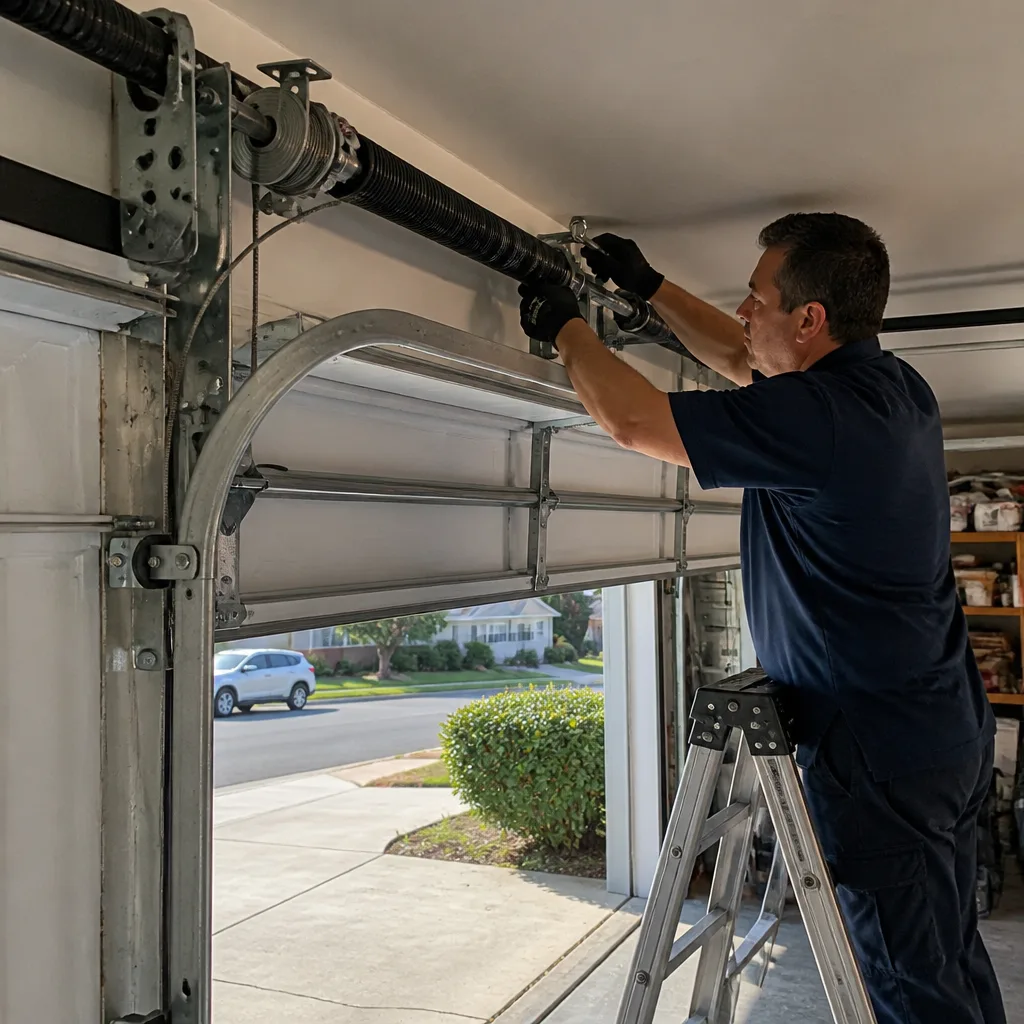
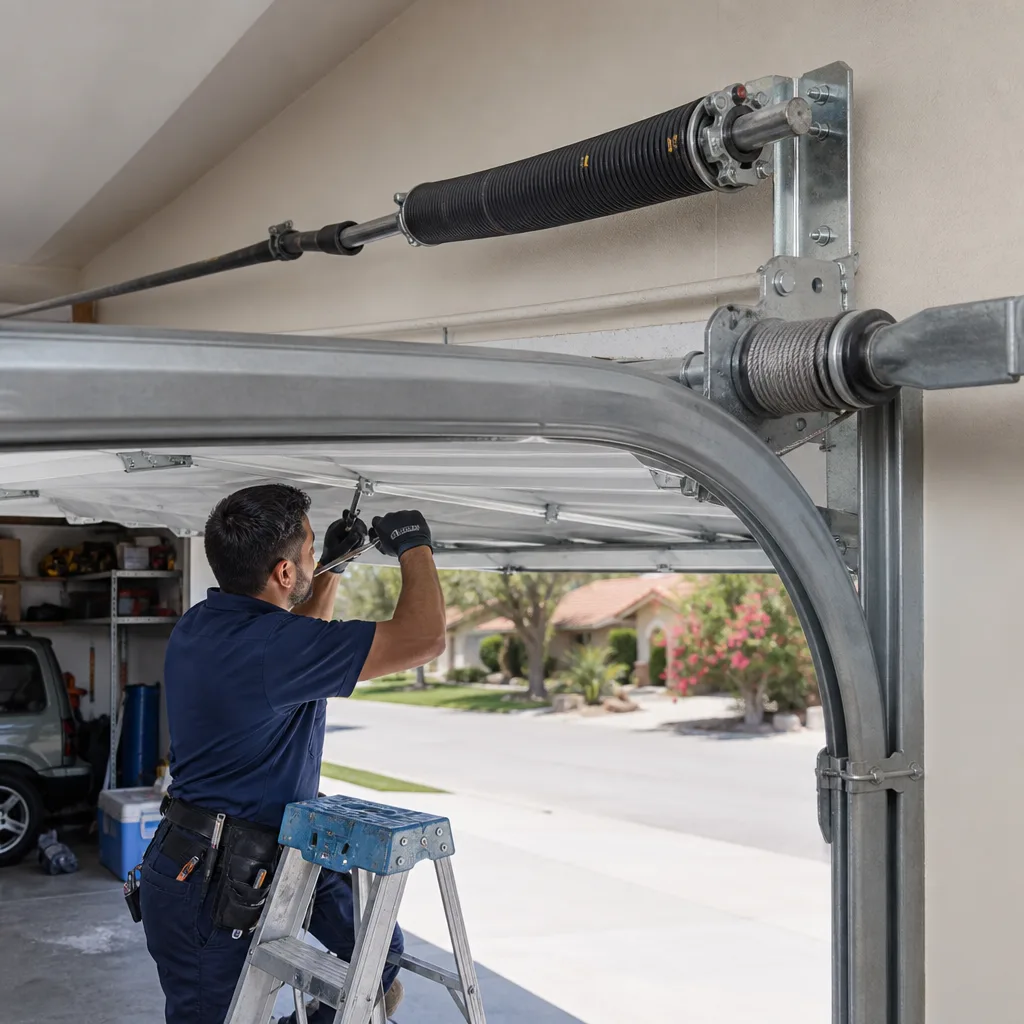
Torsion spring replacement in Simi Valley typically runs $280 to $450 for a pair, including parts and labor. A single-spring replacement is possible on some doors but generally not recommended, because the remaining old spring then carries uneven load and fails sooner. Any repair company worth hiring will show you the measured failure before quoting, and replace both springs when one has snapped. For help choosing the right company, read How to Hire a Garage Door Contractor in Simi Valley: A Step-by-Step Guide.
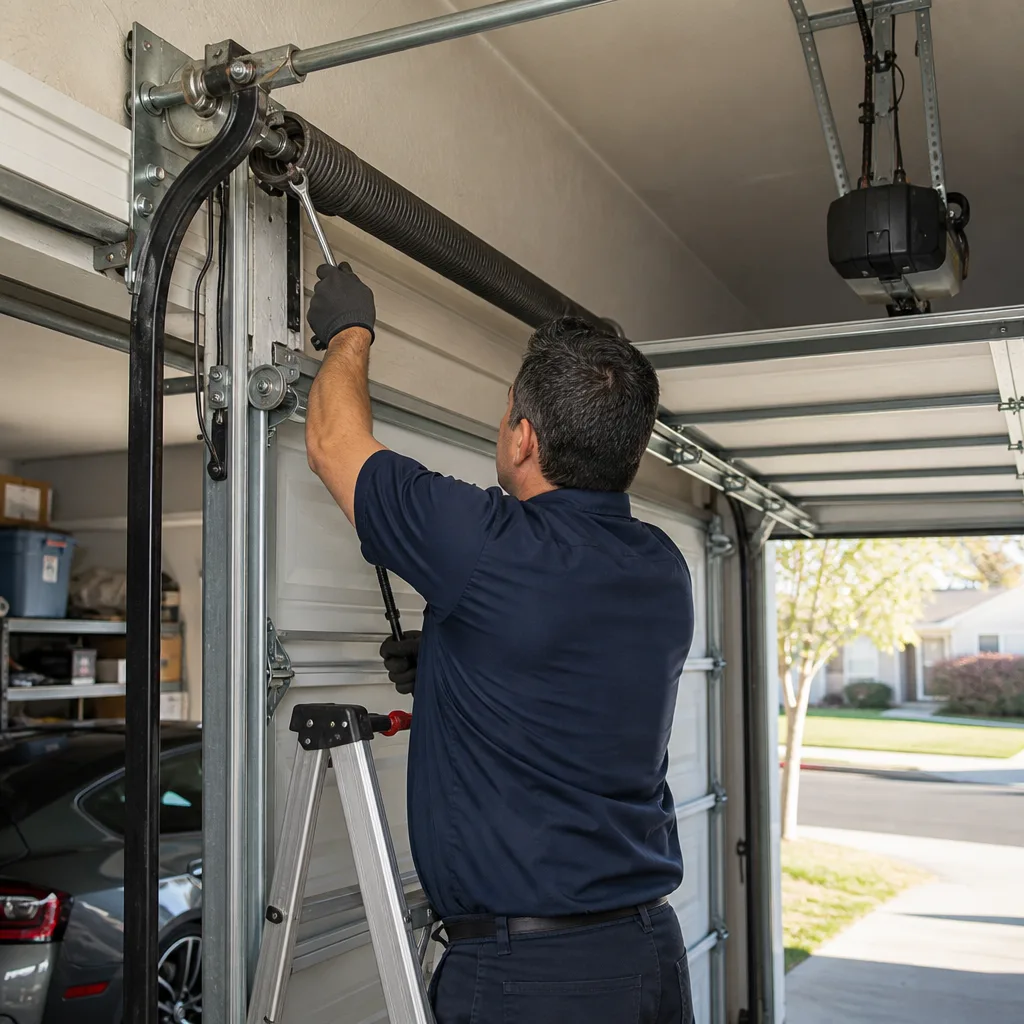
Safety note: Torsion springs are under significant tension at all times, even when the door is closed. Do not attempt to remove, adjust, or replace them yourself. The winding bar can slip, and the stored energy in a wound spring is enough to cause serious injury. Inspection is safe at arm’s length. Repair is not.
Cables and Drums: Reading Strand Wear Before It Snaps
Garage door cables are braided steel wires that run from the bottom brackets on either side of the door up to the cable drums mounted on the torsion shaft. They carry the door’s full weight during every movement. When a cable snaps, the door jerks violently, often jamming in the track and pulling the door out of alignment.
The failure mode to look for is strand breakage, not overall fraying. Cables do not typically fail all at once until enough individual strands have broken that the remaining cross-section cannot hold the load.
- Pass: Running a gloved hand along the cable from bottom bracket to drum, you feel no snags, no broken wire ends, and see no rust discoloration. The cable sits centered in the drum groove with no overlap or gaps.
- Fail: Three or more broken strands anywhere along the cable length, any visible kink or birdcage where strands have separated from the bundle, or rust that flakes off under light finger pressure. Any of these means replacement, typically $150 to $250 for both cables in Simi Valley.
Check the cable drum itself while you are there. The drum is the spool on the torsion shaft that the cable winds around. Grooves should be clean and uniform. A drum with a chewed-up groove edge will eat a new cable within months. Drum replacement adds $80 to $150 to the job.
For homeowners who want to understand how cable failure relates to the broader repair landscape, our Servo Garage Doors Simi Valley home page documents the diagnostic approach we use on every service call.
Rollers, Hinges, and Tracks: The Motion Components
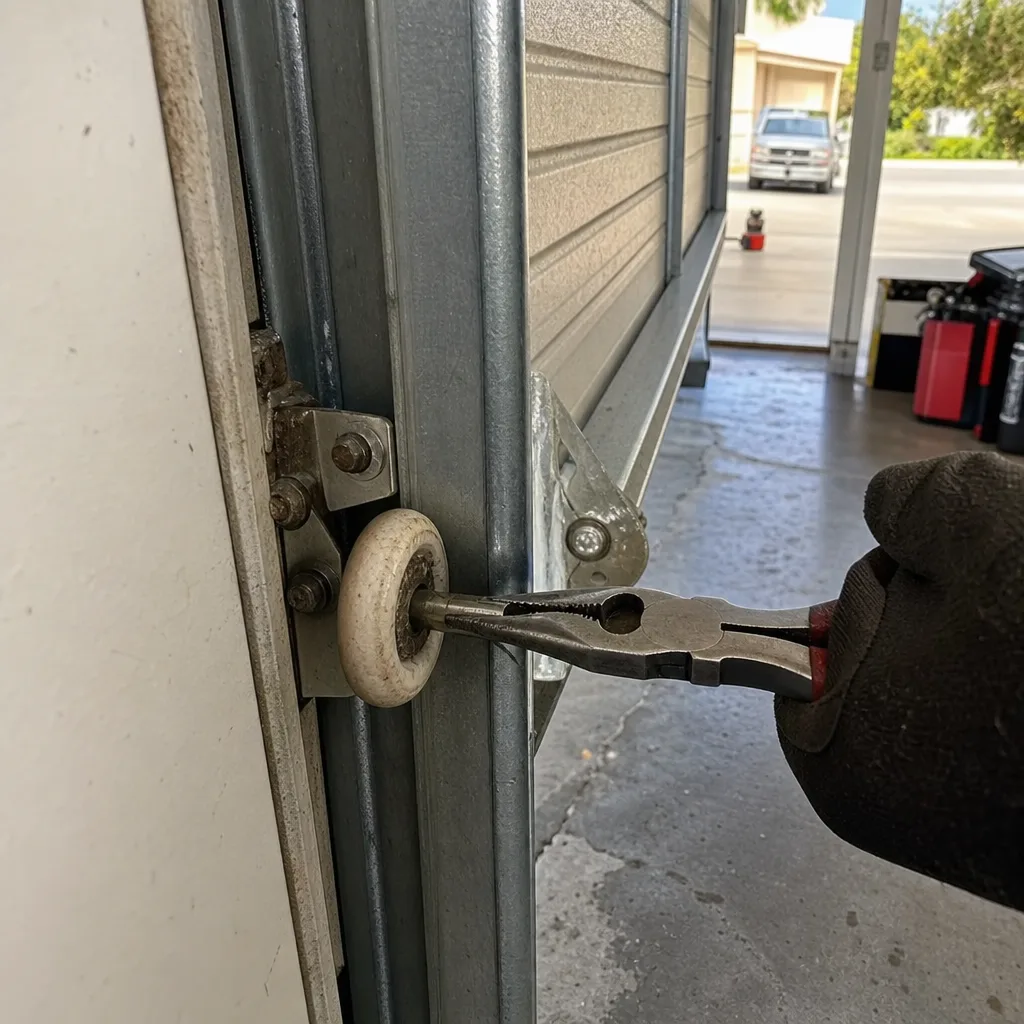
Rollers are the wheels that carry the door along the track. Most Simi Valley homes built between 2015 and 2025 came with either steel rollers with ball bearings or nylon rollers, depending on the builder’s spec. Each material has a different failure signature.
Roller inspection, pass/fail:
- Pass: Roll the door up and down by hand (release the opener first). Rollers should turn smoothly against the track with no flat spots, no wobble side-to-side greater than one-sixteenth inch, and no visible gap between the wheel and its axle.
- Fail: A roller that slides instead of rolls has a seized bearing. A roller with visible play when you wiggle it side-to-side has a worn bearing. Either condition drags the door, puts extra load on the opener motor, and eventually scores the track. Roller replacement runs $12 to $25 per roller in Simi Valley, most doors take 10 to 12 rollers, and we typically recommend replacing the full set rather than one at a time.
Hinge inspection: Hinges connect the door panels at the seams and at the roller brackets. Look for cracks radiating from any hinge pin hole, and listen for a dry metal-on-metal squeal when the door moves through the curve of the track. A cracked hinge is a structural failure that should be replaced immediately, typically $45 to $80 each installed.
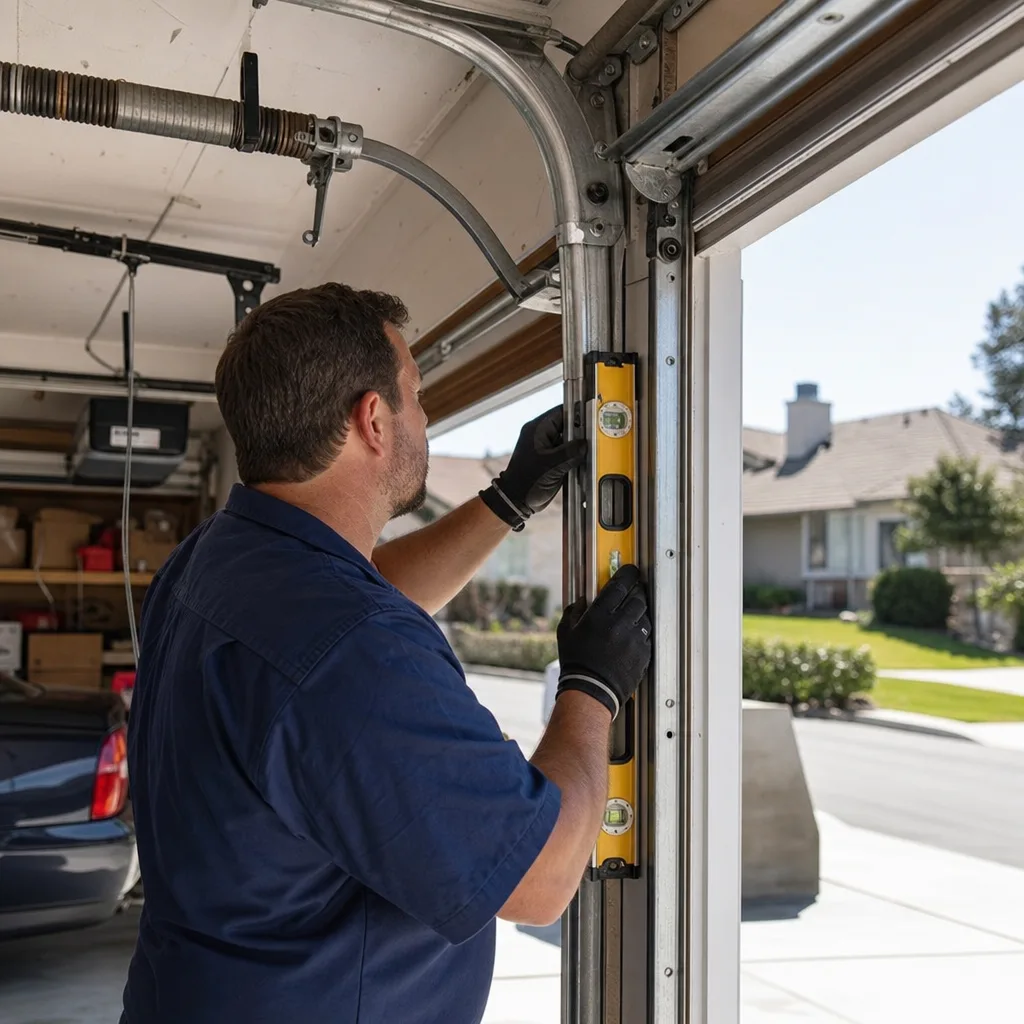
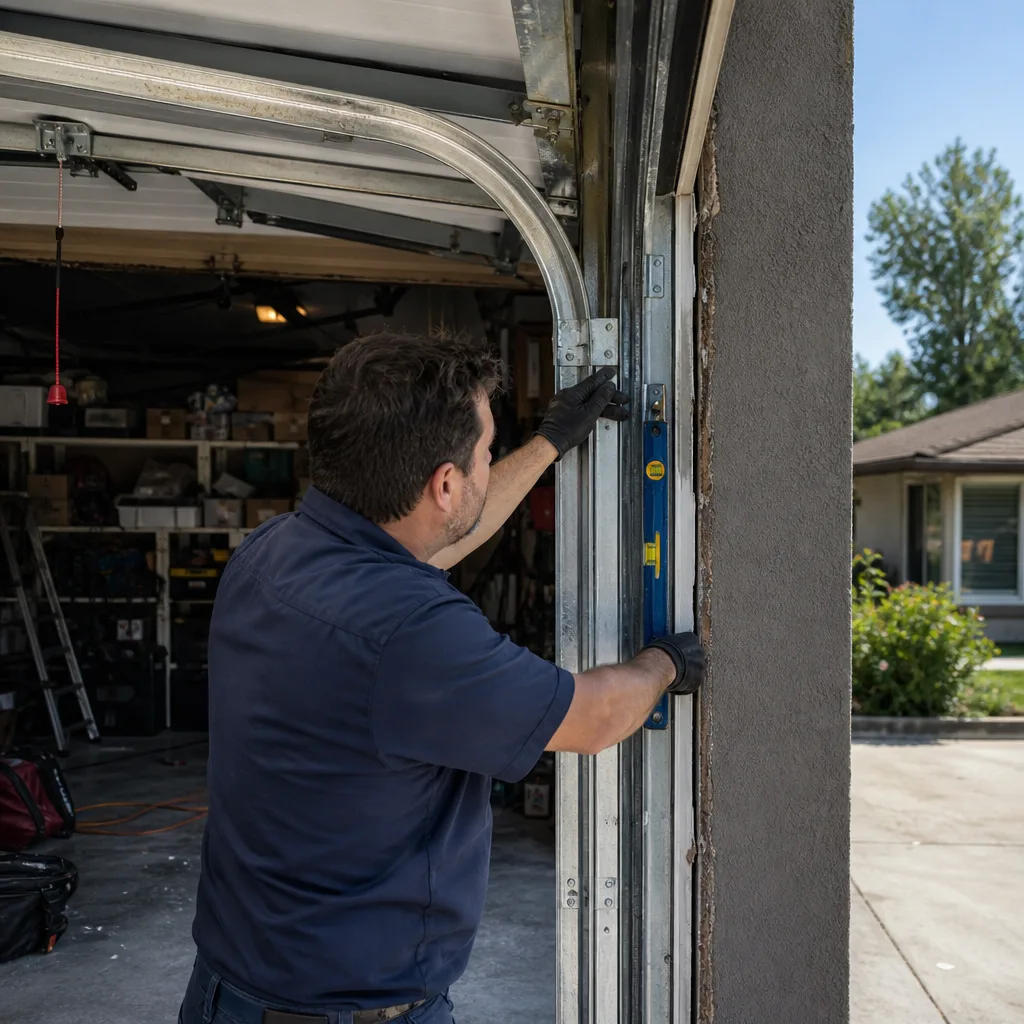
Track inspection: The track is the vertical and horizontal channel that guides the rollers. It should be straight, clean, and parallel on both sides. Lay a level against the vertical track sections. More than one-eighth inch deviation from plumb anywhere along the vertical run means the track has shifted and needs realignment. In Simi Valley, we see track shift most often in homes where the garage is on a slope-side lot and the slab has settled a fraction of an inch over years. Realignment service calls typically run $100 to $175, and you can check our Garage Door Installation in Simi Valley page for context on when track work tips into full replacement territory.
Lubrication by Component: What Goes Where, and What Burns Off in Simi Valley Heat
Most “maintenance” damage we see in Simi Valley comes from folks using the wrong lubricant. Not all garage door components take the same product. Here is the breakdown, followed by the heat-specific note that matters most in this climate.
- Spring coils: Use a white lithium grease or a silicone-based garage door lubricant applied to the coil faces, not the interior. The goal is to prevent rust and reduce friction between coils as the spring winds and unwinds. Spray, then wipe excess with a rag. You want a film, not a drip.
- Roller bearings: If the rollers have metal bearings, use a light machine oil or a silicone spray into the bearing race. If the rollers are sealed nylon units, do not lubricate at all. Adding oil to a sealed nylon roller does nothing but attract dust.
- Hinges: Use the same silicone spray as the springs, applied to the hinge pin and pivot points. One short spray per hinge, twice a year, is sufficient.
- Track: Do not lubricate the track. Rollers roll on the track; they are not meant to slide. Lubricant on the track collects Simi Valley dust and turns into a grinding paste. Keep the track clean and dry.
The heat factor: during the June through September stretch in Simi Valley, thin lubricants break down faster than the can label suggests. We recommend re-lubricating spring coils and hinge pins in August, even if the June application is still on schedule. The afternoon temperature inside a closed west-facing garage can exceed 110 degrees in late summer, and that will cook a light machine oil down to nothing within about eight weeks. Heavier lithium grease lasts longer, but even that should be inspected in August for tacky, gummy buildup.
The Auto-Reverse Force Test: California’s Actual Legal Threshold
California Code of Regulations, Title 8, Section 3276 requires every automatic garage door opener installed in the state to reverse on contact with a one-and-a-half-inch obstruction, and every opener manufactured after 1992 must also have a photoelectric eye system that reverses the door when the beam is interrupted. The force test is the part most homeowners skip, and it is the part that keeps you legal and your children safe.
Here is the test procedure, with the actual threshold:
- Place a solid object measuring one and a half inches thick, such as a two-by-four laid flat, on the floor directly under the door’s center point.
- Close the door using the opener.
- The door must reverse direction within two seconds after contacting the obstruction. If the door continues closing or stalls on the object for more than two seconds, the opener fails the test.
- Test the photoelectric eyes separately: wave an object through the beam while the door is closing. The door should immediately reverse.
Pass/fail threshold: any hesitation longer than two seconds is a fail. California does not distinguish between “slow to reverse” and “does not reverse.” Both are violations.
If the door fails the force test, the fix is a limit switch or force-setting adjustment, typically a $90 to $140 service call in Simi Valley. Do not adjust these settings yourself unless you are following the specific instructions in your opener’s manual; over-tightening the force setting to compensate for a worn door is the most common way to turn a minor problem into a crushed object under the door. For opener-specific failures that go beyond simple adjustment, our Garage Door Opener Repair & Installation in Simi Valley page covers the diagnostics in plain terms.
Documentation: How to Log Inspections So No One Can Dispute the Baseline
The most overlooked maintenance practice in Simi Valley is also the one that saves homeowners real money: creating a dated, photographed record of every inspection. When a component fails, the question is never “did it fail” but “was it already failing.” Without a baseline, you are arguing from memory against a technician’s assessment.
Here is a workable documentation format that takes about ten minutes per inspection:
- Photograph every component in the same order every time: left spring, right spring, left cable and drum, right cable and drum, left track vertical, right track vertical, left rollers, right rollers, opener unit. Use the same camera angle each inspection so changes are visible side by side.
- Log the date, the ambient temperature, and the door’s age at the top of a note file or spreadsheet. This matters in Simi Valley because August inspections reflect heat stress that June inspections do not.
- Record measurements, not impressions: coil gap in fractions of an inch, rust as a percentage of surface area, roller play as a yes/no with side-to-side estimate, track deviation in fractions of an inch against the level.
- Note any repair performed and its invoice number. If you replace springs in 2023, the 2026 inspection has a reference point. Without that, you and a technician are both guessing at cycle count.
- Store the photos and log somewhere accessible. Cloud storage is fine. The point is that when a contractor says “this cable was already failing when we got here,” you can open last December’s photo and see the three broken strands that were not there then.
This documentation habit matters more than any single inspection. In dispute resolution, a dated photograph beats a confident memory every time. We have seen homeowners in Simi Valley save hundreds of dollars on unnecessary replacements simply because they could show a component’s condition six months prior.
Common Mistakes to Avoid
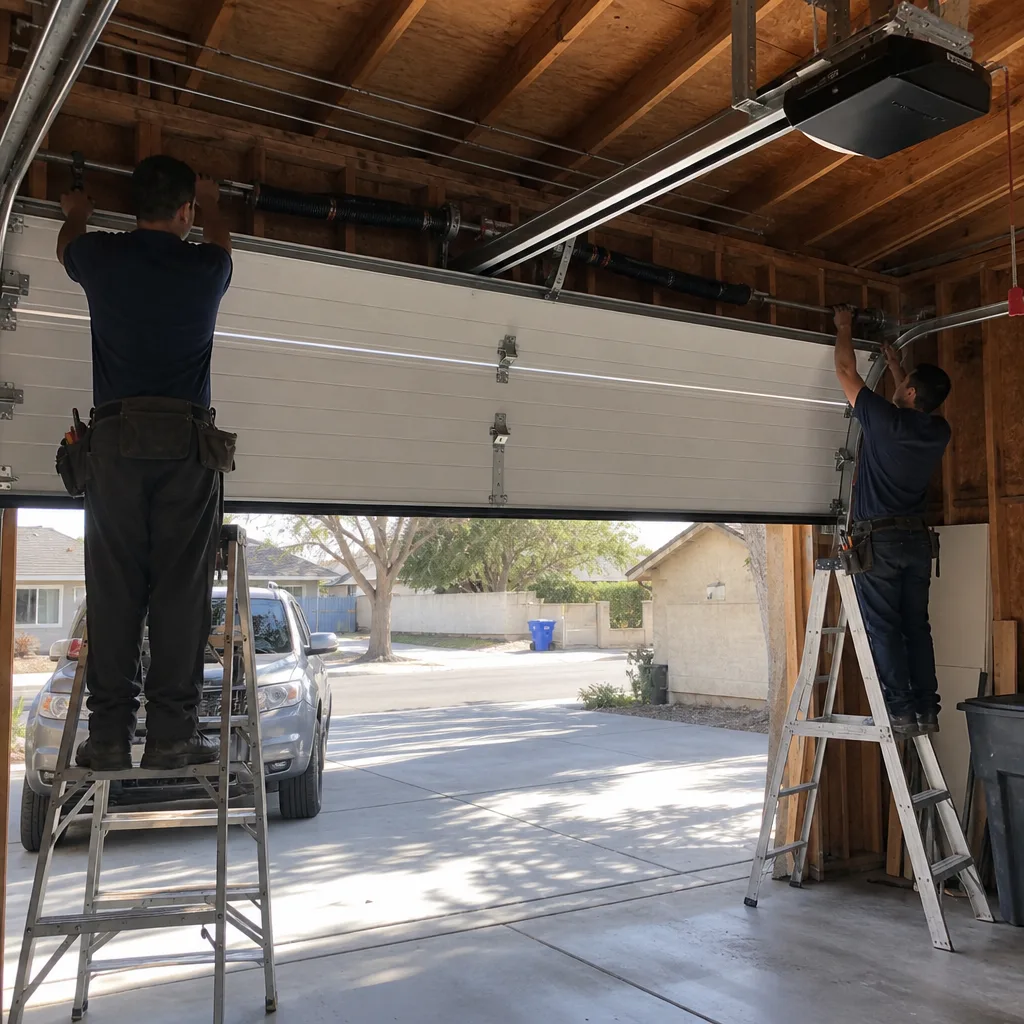
- Lubricating the track. Rollers are not designed to slide on a lubricated surface. This is the single most common “maintenance” mistake we see in Simi Valley garages, and it accelerates wear by grinding dust into the roller bearings.
- Using WD-40 as a garage door lubricant. WD-40 is a solvent and water displacer, not a heavy-enough lubricant for spring coils or bearings. It will strip existing lubrication and leave components drier than they started.
- Ignoring a one-eighth-inch coil gap because the spring “still works.” That gap is the measurable signature of a spring that has lost its temper and is cycling toward fracture. It will not fix itself, and it will not warn you again.
- Testing the auto-reverse with a cardboard box instead of a one-and-a-half-inch solid object. Cardboard compresses, which lets a failing opener pass a test it should fail. Use the actual threshold: a solid two-by-four laid flat.
- Skipping the December inspection because “I did it in June.” Simi Valley’s summer heat does its damage between June and December, not between December and June. If you run one inspection per year, make it December.
- Adjusting opener force settings to compensate for a door that is getting heavier. If your door is drifting down or the opener is straining, the problem is springs, rollers, or alignment, not the force setting. Cranking the setting masks the issue and defeats the safety reverse.
- Replacing only one spring when both show similar wear patterns. A pair of springs installed together cycles together and typically fails within months of each other. Replacing one now means paying for another service call soon.
When to Call a Professional
Any cable, spring, or drum issue falls into professional territory. Torsion springs are under tension even when the door is closed, and cables hold the full weight of a door that can weigh 150 to 250 pounds. If your inspection finds a coil gap over one-eighth inch, three or more broken cable strands, a cracked hinge, or a door that fails the two-second auto-reverse test, stop and call someone who does this work daily through our Garage Door Repair services. Servo Garage Doors Simi Valley offers written flat pricing before any work begins, and every service call ends with a photographed record of what was found and what was done. Call (661) 964-4530 for a free estimate in Simi Valley.
Frequently Asked Questions
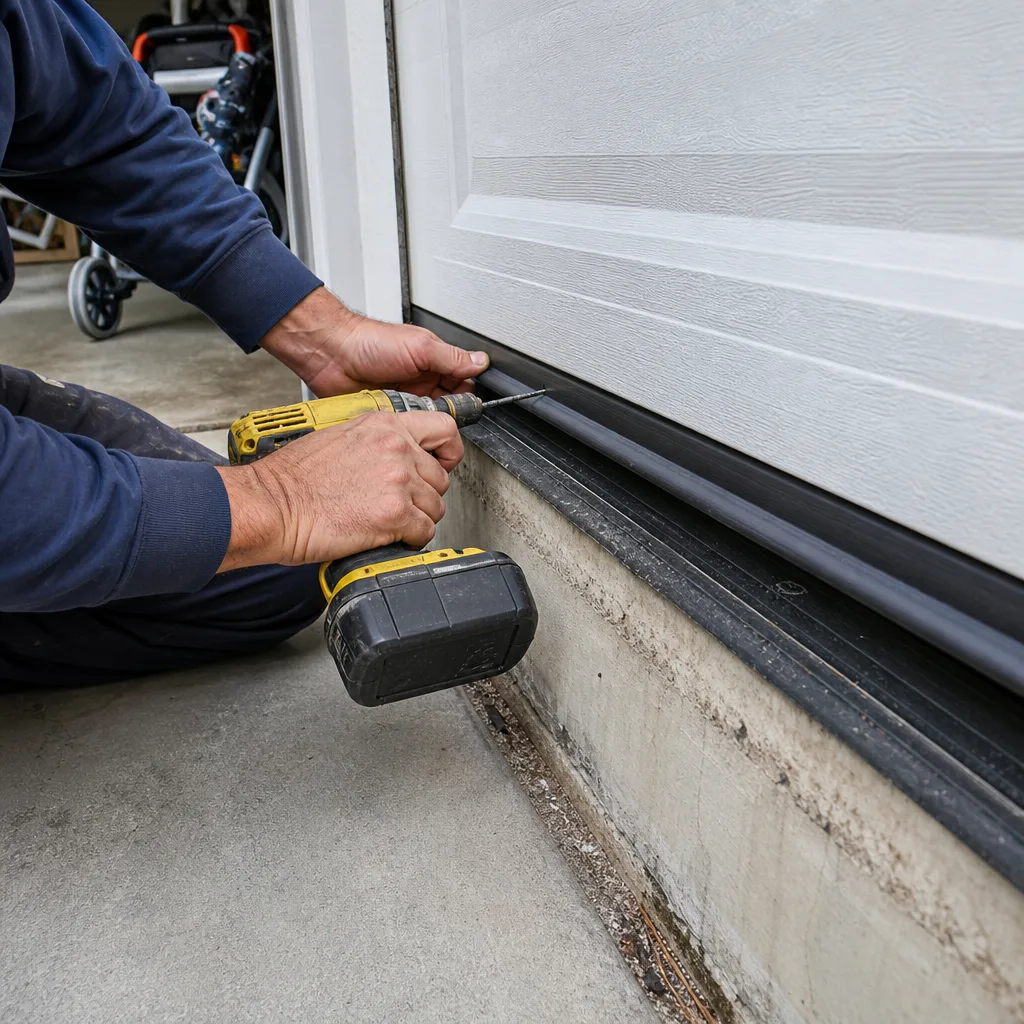
A DIY inspection with proper lubricants costs about $25 to $40 per year in products, assuming you already own basic tools. A professional maintenance visit in Simi Valley typically runs $90 to $140 and includes the inspection, lubrication, minor adjustments, and documentation of findings. Components that need replacement are quoted separately before any work begins.
Twice a year: once in early June before the summer heat and once in early December after the heat has broken. The summer pass targets heat-related spring and cable deterioration, and the winter pass catches the track and roller alignment issues that the heat cycle causes. Call (661) 964-4530 if you find anything that fails a threshold in this guide.
Torsion spring failure is the most common emergency breakdown in Simi Valley, typically occurring between September and November as the summer heat cycle finishes weakening older springs. The measurable early warning signs are visible coil gaps over one-eighth inch or pitting rust covering more than 30 percent of the coil surface.
Spring replacement for a standard two-spring residential door in Simi Valley typically runs $280 to $450, including parts and labor. Both springs are usually replaced even if only one has snapped, because the remaining spring has matched the failed one’s cycle count and will typically fail within months.
Inspection, lubrication, and documentation are safe and appropriate DIY tasks when done correctly. Cable, spring, drum, and any adjustment to opener force settings are not. The threshold is whether the task requires touching a component under tension. If it does, call a professional for a written quote.
The sustained heat from June through September thins lubricant on spring coils and causes thermal expansion in the steel. When October arrives and temperatures drop, the spring material contracts into a slightly different shape than it held in June, which concentrates stress at the point of greatest wear. That stress concentration is what converts a worn spring into a broken one. Call (661) 964-4530 for a free spring inspection and a written price before any work starts.
The Bottom Line
A garage door maintenance checklist in Simi Valley should be built around pass/fail thresholds, not tasks. Know that a coil gap over one-eighth inch means replacement is near, that three broken cable strands is a failure, that your auto-reverse must respond within two seconds to a one-and-a-half-inch obstruction per California law, and that your inspection is only worth what you document. Run the full pass twice a year, photograph everything in the same order each time, and use the right lubricant for each component. You can find more guides & resources on our blog. When something crosses the line, get a written price before any work starts. Call (661) 964-4530 for a free estimate on any garage door issue in Simi Valley.
Written by Marcus Deller, Owner at Servo Garage Doors Simi Valley, serving Simi Valley since 2015.